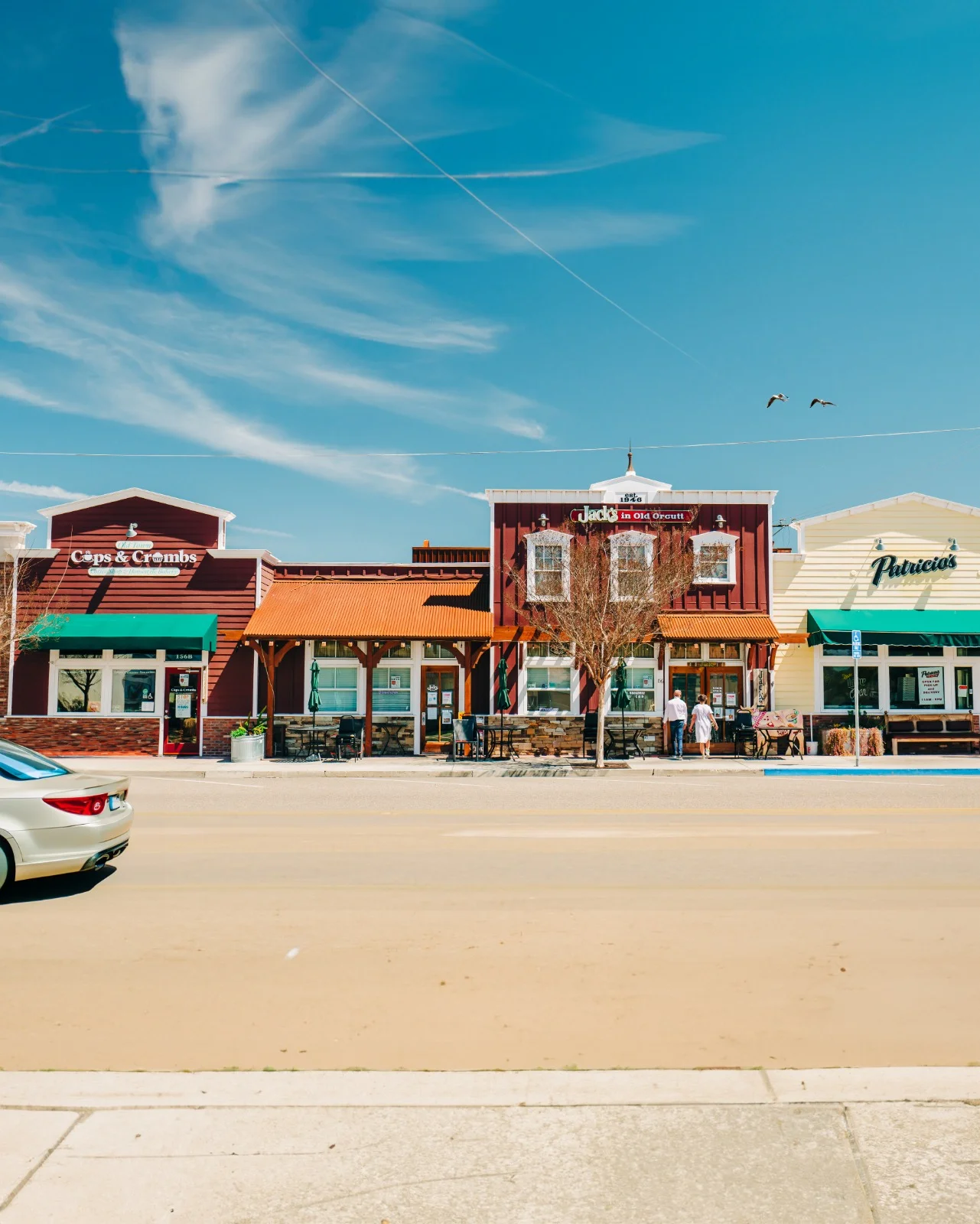
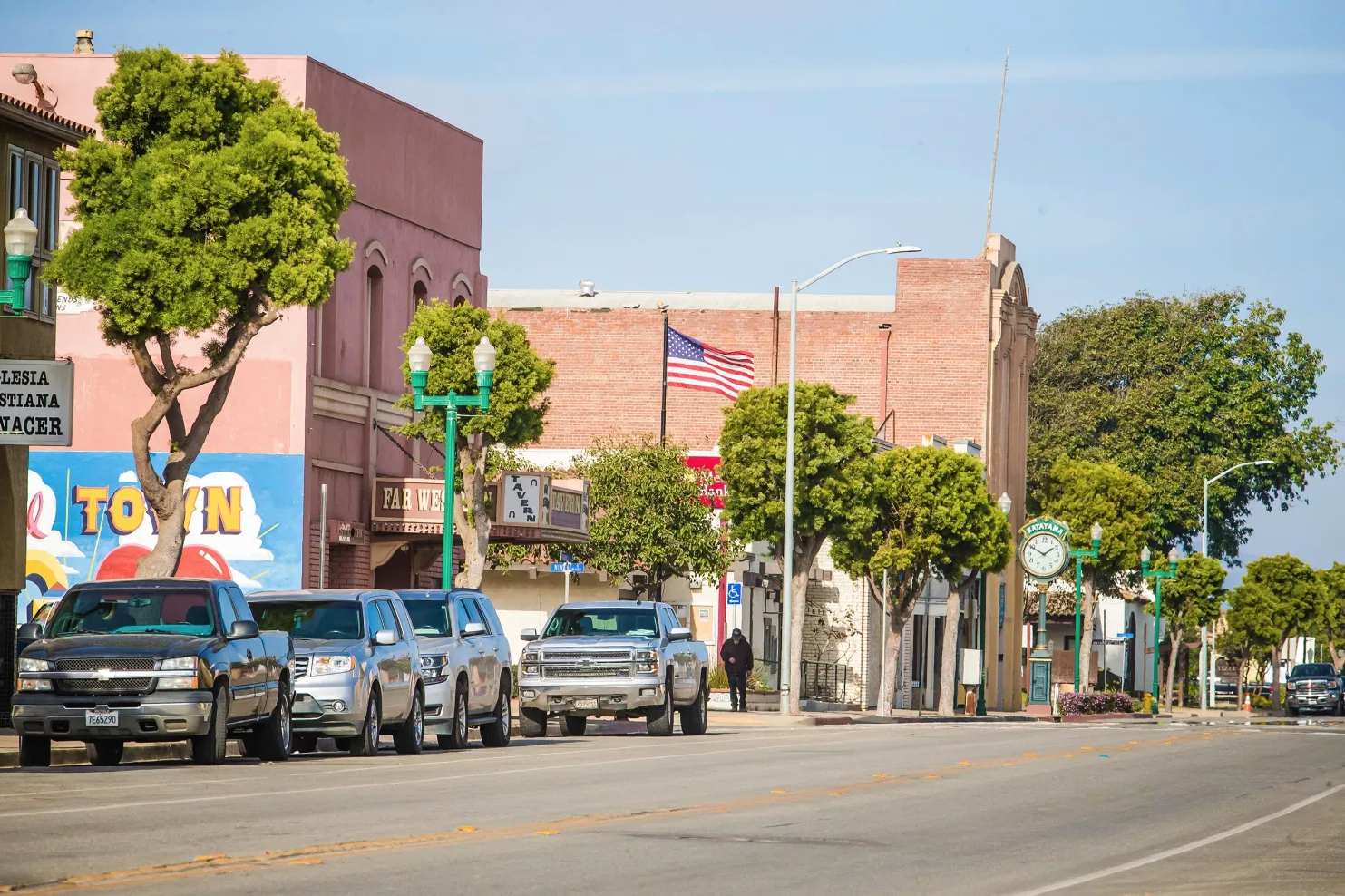
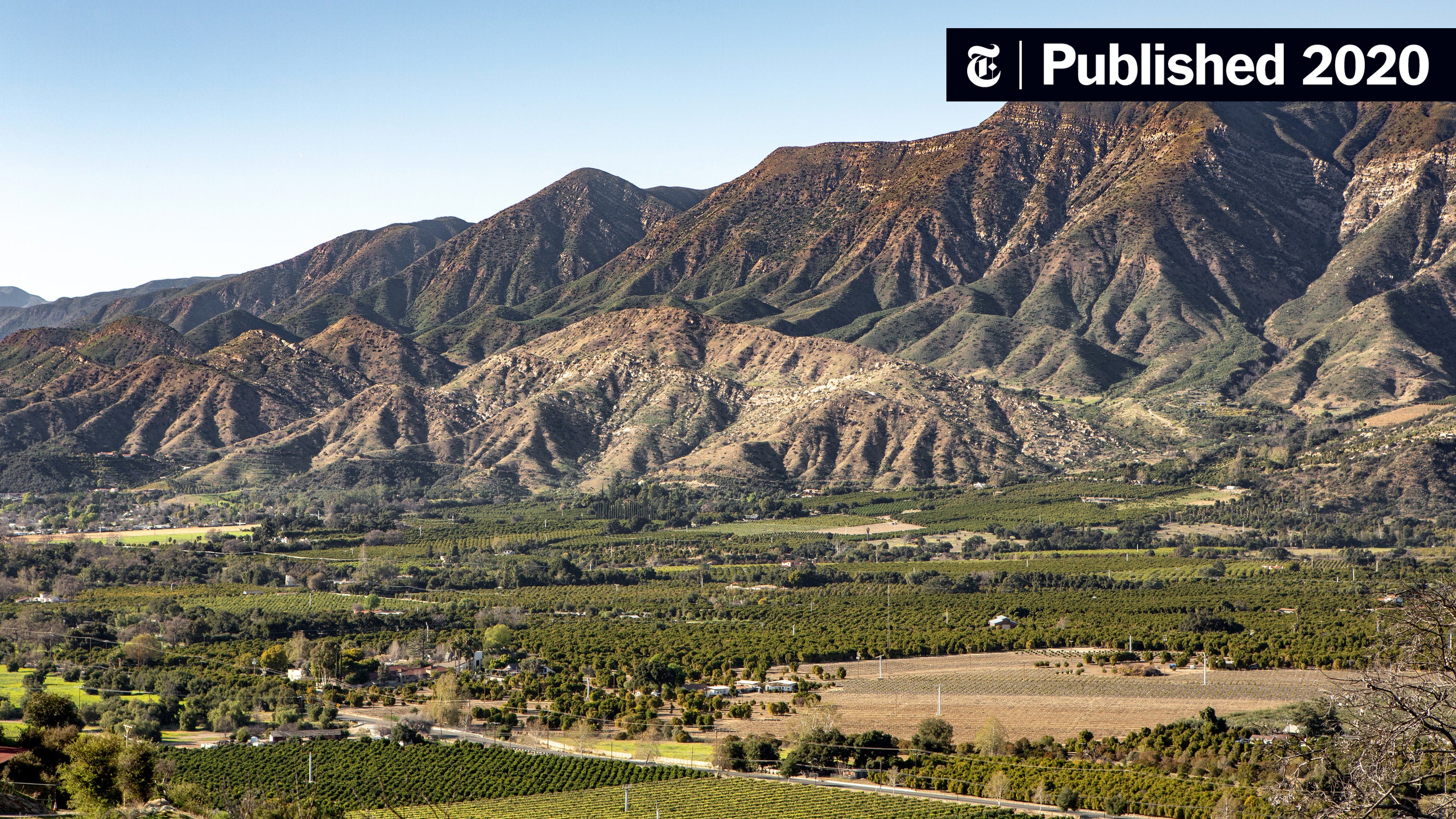
Santa Maria is the largest city in Santa Barbara County and its commercial center of gravity, built on agricultural processing rather than tourism. For a 1031 exchange investor selling on the coast, it usually offers more standalone inventory and better going-in yields than anything closer to the water, at the cost of a slower-growing rent base.
North County's Working Economy
Strawberry, broccoli, and wine-grape operations across the Santa Maria Valley move a significant share of their product through local cold-storage and packing buildings, and Vandenberg Space Force Base a few miles south adds a second, more technical employment base tied to launch operations and aerospace contracting. Marian Regional Medical Center anchors a growing medical-office cluster near its campus, and the city's tri-tip barbecue tradition, while not a commercial driver in itself, supports a dense restaurant and event-catering scene along Broadway and Main Street that keeps ground-floor retail occupied.
What Trades Here
Replacement candidates in Santa Maria typically fall into a broader mix than the smaller towns around it:
- Ag-processing and cold-storage industrial buildings
- Retail and restaurant space along Broadway and Main Street
- Medical office near the Marian Regional Medical Center campus
- Garden-style multifamily on the city's east and south sides
- Self-storage and light-industrial flex near the Highway 101 spine
Underwriting the Building's Mechanical Condition Alongside the Rent Roll
Ag-processing and cold-storage buildings need their mechanical systems treated as a specification review before value gets assigned to the lease: compressor capacity, insulation integrity, and floor-slab condition under repeated forklift loading all affect both operating cost and resale. Medical-office space should be checked for tenant-specific buildout — imaging shielding, plumbing for exam rooms, emergency power — since those improvements rarely transfer cleanly to a new tenant. Retail buildings along the older stretches of Broadway may carry deferred structural or roofing work that a rent roll alone will not reveal, so a roof-assembly and structural walkthrough with a qualified inspector should precede any letter of intent. Parking ratios also vary widely between the older Broadway blocks and the newer Betteravia-corridor centers, and a building that leases well today at a substandard ratio can struggle at re-tenanting time — a point that belongs in the hold-period analysis as much as in the purchase decision.
Identification With More Room to Work
Because Santa Maria carries deeper standalone inventory than Orcutt, Guadalupe, or Lompoc, it often anchors a 45-day identification list rather than filling a backup slot, with smaller North County properties named alongside it to satisfy the three-property rule. When several Santa Maria buildings are named together under the 200 percent test, each one still needs its own independent valuation and financing plan. The deeper inventory also means listings here stay marketable longer than on the coast, which gives exchange buyers something rare in this county: genuine negotiating room on price and terms while the identification clock runs.
Reading Income Against the Agricultural Calendar
Several Santa Maria asset classes carry income that moves with the growing season rather than the calendar year. Cold-storage buildings bill on throughput during harvest peaks and can look underutilized in winter statements; labor-adjacent multifamily sees occupancy swings tied to field employment; and some retail tenants along the southern corridors track the same rhythm. A trailing-twelve-month statement smooths all of this into a single number, so a buyer should ask for monthly operating detail across at least two full seasons before treating the income as stabilized.
Lease structure deserves the same seasonal reading. Ag-related tenants often negotiate percentage components, harvest-season escalators, or early-termination rights tied to crop contracts, and those provisions change how a lender sizes the loan. Getting the actual lease documents — not the rent roll summary — into the loan file early keeps the appraisal and underwriting from stalling in the back half of the 180-day exchange period.
Closing the Loop
The qualified intermediary holds exchange funds and prepares the identification and closing paperwork, not the underwriting. Boot exposure, debt-replacement requirements, and depreciation recapture on the relinquished property should be worked through with a tax advisor well before the exchange period runs out, particularly when the Santa Maria replacement carries different leverage or tenant mix than the property being sold.
Common 1031 Exchange Questions
Does Vandenberg Space Force Base directly influence Santa Maria commercial demand?
It supports housing and service retail demand in the surrounding area more than it drives industrial leasing directly, since most launch-related contracting activity sits closer to the base itself.
What should a buyer check before acquiring an ag-processing building?
Refrigeration system age and capacity, floor-slab condition, and any legacy environmental exposure from prior packing or chemical use should all be reviewed before the rent roll is weighted heavily in the purchase decision.
Is medical office near Marian Regional Medical Center a reliable replacement category?
It generally underwrites well due to steady demand, but tenant-specific buildout can reduce flexibility if that tenant does not renew, so lease term and improvement ownership should be reviewed carefully.
How does Santa Maria's larger inventory change identification strategy?
It gives investors room to name a primary Santa Maria candidate and one or two smaller North County backups under the three-property rule, rather than depending on a single thin submarket.
Should financing assumptions differ between older Broadway retail and newer industrial product?
Yes. Older Broadway buildings may need a lender comfortable with deferred maintenance and shorter loan terms, while newer industrial and cold-storage buildings typically qualify for more conventional commercial financing.