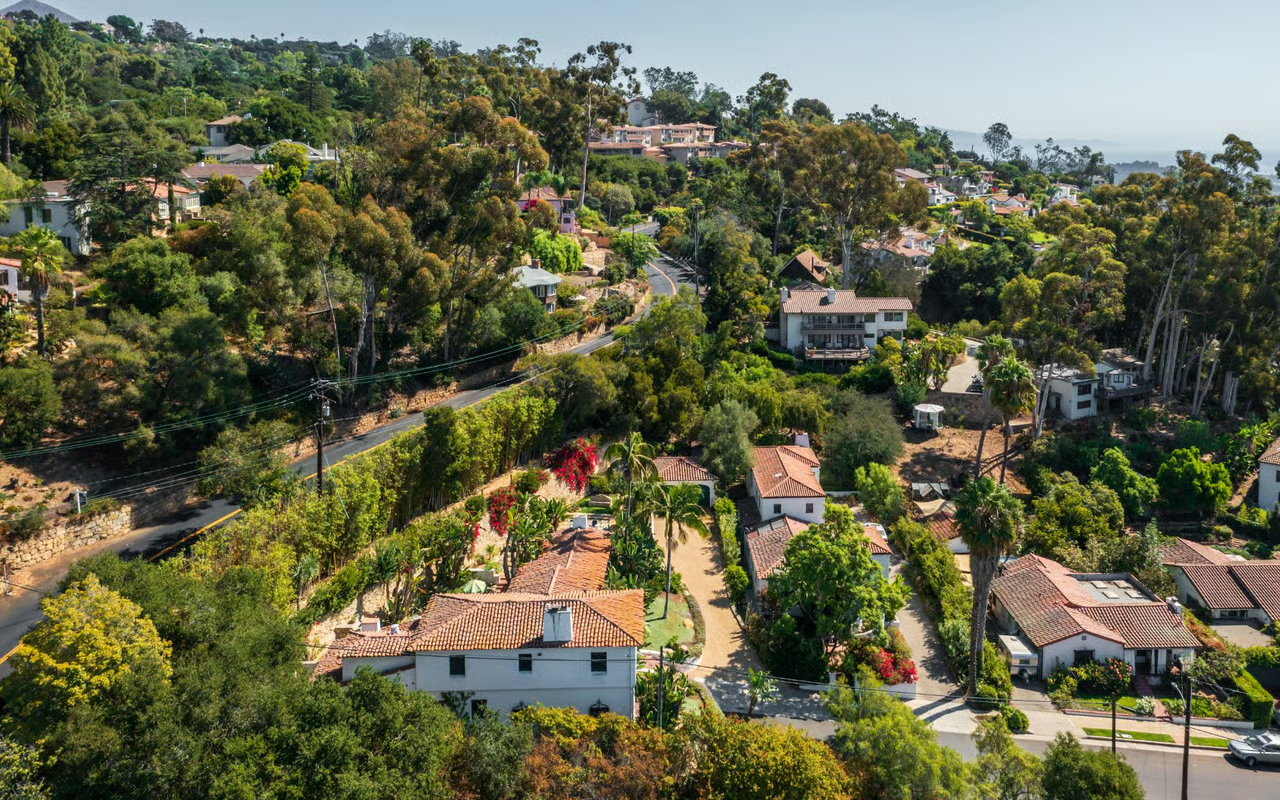
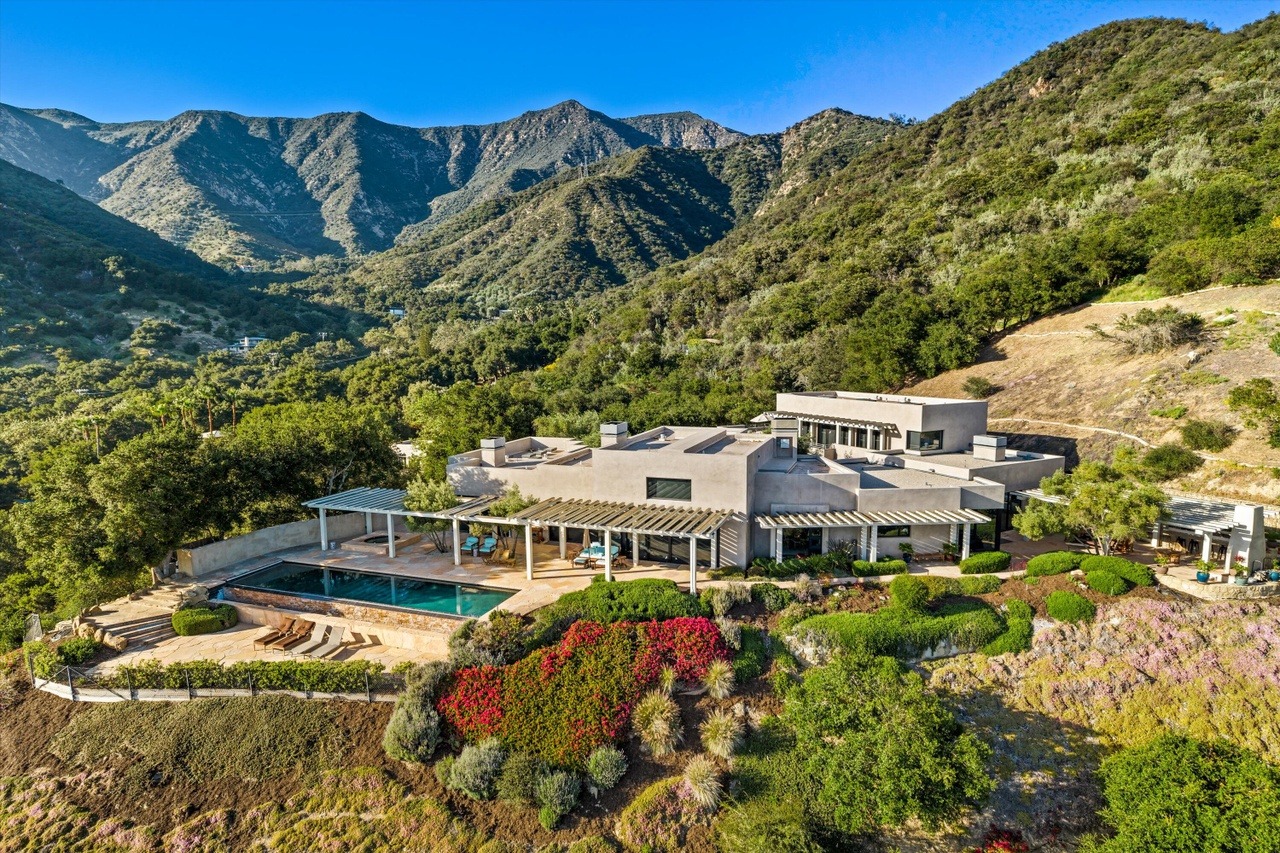
Hope Ranch is an unincorporated estate community west of Santa Barbara, made up almost entirely of large residential parcels rather than conventional commercial or multifamily stock. Investors researching Hope Ranch for a 1031 exchange are typically not buying replacement property inside the enclave itself, but using a Hope Ranch sale to fund a purchase in a more conventional South Coast submarket.
Why Hope Ranch Rarely Works as a Direct Replacement Target
Hope Ranch's housing stock is dominated by large single-family estate lots, many on private roads maintained through the area's homeowners association rather than the county, with little of the multifamily, retail, or industrial inventory that supports a conventional income-property exchange. A relinquished Hope Ranch rental property is more often exchanged out into Santa Barbara or Goleta multifamily, or into a DST holding a diversified commercial portfolio, than replaced with another Hope Ranch asset. That reality should be established early in the process, since an investor who assumes a like-for-like Hope Ranch replacement exists may waste part of the 45-day window searching for inventory that simply is not there in meaningful volume.
What Does Exist: Estate Rentals and Land Holdings
A small number of Hope Ranch properties do function as income assets, primarily single-family homes held as long-term rentals and a handful of larger parcels with agricultural or equestrian use. These carry high per-unit basis and limited comparable sales, which makes appraisal and lender underwriting slower than in a conventional multifamily or retail transaction. Some larger parcels also carry equestrian easements or shared access rights tied to the area's historic ranch-lot layout, and those arrangements should be reviewed as part of any sale, since they can affect both the property's marketable value and a future buyer's intended use.
Access and What to Verify
Modoc Road, Las Palmas Drive, and Marina Drive provide the primary connections between Hope Ranch and the rest of the South Coast. For the limited set of Hope Ranch properties that do function as income assets, confirm:
- Whether access is via a private road maintained by the homeowners association, which affects title and financing
- Water source, since portions of Hope Ranch rely on a private mutual water company rather than city service
- Actual rental history versus owner-occupied use for any property marketed as income property
- Entity structure and ownership history, which can be more complex on long-held estate parcels
- Comparable sales depth, given how few Hope Ranch transactions occur in a given year
Where Hope Ranch Proceeds Typically Go
Because direct Hope Ranch replacement inventory is limited, exchange proceeds from a Hope Ranch sale commonly move into Santa Barbara or Goleta apartment buildings, retail or office space, or a DST structure diversified across multiple commercial assets. Some investors also compare Hope Ranch against Mission Canyon for a lower-intensity residential-income alternative that still sits on the South Coast. Others use the sale as an opportunity to shift from single-asset concentration into a portfolio of smaller multifamily or retail buildings, spreading the same amount of equity across several properties with more conventional lease structures and more available comparable sales data.
Structuring the File for a High-Basis Sale
A Hope Ranch exchange file typically carries more entity and title complexity than a conventional commercial sale, given long hold periods and estate ownership structures, so that documentation should reach the qualified intermediary and the investor's tax advisor as early as possible. Debt-replacement modeling matters more here than in most South Coast markets, since Hope Ranch basis is often high relative to available replacement inventory. Investors should also budget extra time for the qualified intermediary to review any entity or trust documentation attached to the sale, since that review can take longer than the property-level diligence itself. Lenders unfamiliar with Hope Ranch's private-road and mutual-water arrangements may also require additional underwriting time on the replacement side, so identifying that lender early is worth doing before the 45-day window is far along.
Common 1031 Exchange Questions
Can you identify another Hope Ranch property as replacement for a Hope Ranch rental you're selling?
You can, but the inventory is thin, so most investors identify a Hope Ranch alternative alongside a more liquid Santa Barbara or Goleta property to keep the identification list realistic under the 45-day window.
Does a private road or mutual water company affect a Hope Ranch property's eligibility as replacement property?
It doesn't affect exchange eligibility, which turns on like-kind real property held for investment, but it does affect title review and lender underwriting, so it should be confirmed early.
Is a DST a common choice for investors exiting a Hope Ranch estate rental?
Some investors use a DST to move exchange proceeds into a diversified, professionally managed portfolio rather than sourcing another single large estate parcel. That decision should be reviewed with the investor's tax advisor given the specific structure involved.
Why is appraisal slower for Hope Ranch properties than for typical South Coast commercial assets?
Comparable sales are limited given how few Hope Ranch transactions close in a given year, which extends the appraisal and underwriting timeline and should be planned for inside the 180-day exchange period.
What entity issues commonly slow down a Hope Ranch exchange file?
Long-held estate parcels are sometimes titled through trusts, family partnerships, or older ownership entities that need to be reconciled with the exchanger's tax and title requirements before identification, which is why early document collection matters here more than in a conventional commercial deal.