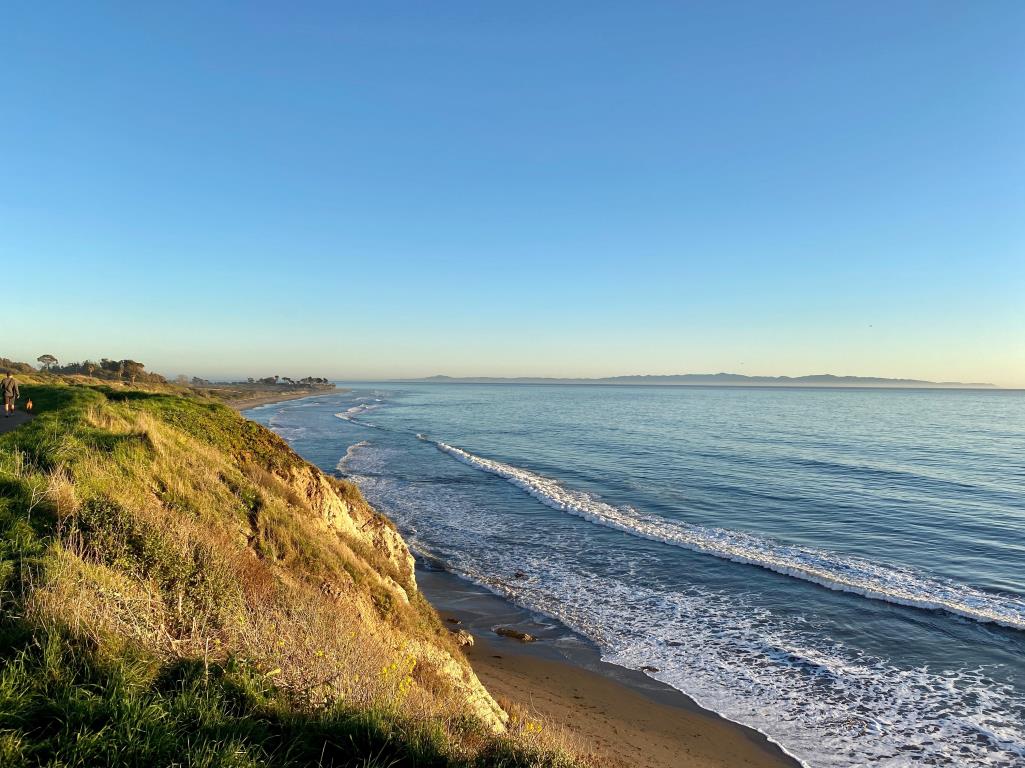
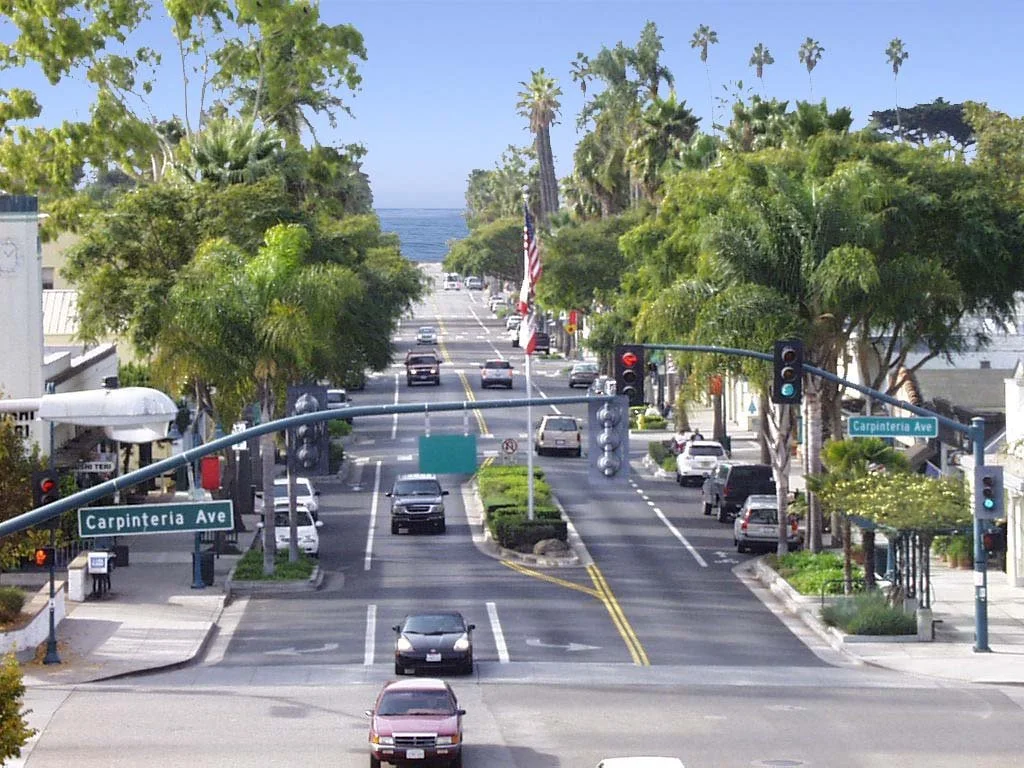
Montecito is an affluent, unincorporated community on Santa Barbara's South Coast, known primarily for large-scale residential real estate rather than a deep conventional commercial base. For 1031 purposes, it functions less as a standalone submarket and more as one option among several South Coast communities that high-basis owners weigh when planning a replacement purchase.
Residential-Income Stock at the County Level
Within the broader Santa Barbara County market, Montecito-area income-producing real estate is concentrated in single-family rentals and a small number of retail and office buildings, most of it long-held and carrying high basis relative to available replacement inventory elsewhere on the South Coast. This pattern is common across the county's more established residential communities, where turnover is limited and comparable sales data is thinner than in a conventional commercial corridor. An appraiser working on this kind of file often needs to pull comparables from a wider radius than a conventional commercial appraisal would, simply because so few properties in the immediate area have traded recently.
How Montecito Fits Into a County-Wide Search
Investors selling a Montecito-area property for 1031 purposes typically widen their replacement search across the South Coast rather than staying within a single community, comparing multifamily and commercial opportunities in Santa Barbara and Goleta against lower-intensity residential alternatives closer to that same profile. This county-level approach reflects Montecito's role as one part of a larger regional exchange market rather than a self-contained one. Treating the South Coast as a single search area, rather than insisting on a single-community replacement, is generally what keeps the identification list realistic given how thin local high-basis inventory tends to be. That approach also tends to shorten the overall timeline, since a wider search area gives the investor's broker more active listings to evaluate inside the same 45-day window.
Diligence Points for High-Basis South Coast Property
Whatever the specific community, high-basis South Coast residential and small commercial property carries a similar diligence list. Before identifying a replacement property, confirm:
- Title and entity structure for long-held parcels, which are often held through trusts or older ownership entities
- Debt-replacement modeling given the typically high basis of legacy South Coast holdings
- Insurance availability and terms, since wildfire and coastal exposure vary across the region
- Comparable sales depth, which tends to be thinner in established residential communities than in commercial corridors
- Actual rental history versus owner-occupied use for any property marketed as income real estate
Coordinating a County-Wide Replacement Strategy
Because South Coast inventory of this kind moves slowly, a three-property identification list built from a Montecito-area sale commonly includes at least one more liquid commercial or multifamily alternative in Santa Barbara or Goleta, alongside a DST or other passive structure if the investor wants diversified exposure rather than another single high-basis asset. Naming all three candidates early also gives the qualified intermediary room to adjust if the primary property's escrow timeline slips, which is common when title or entity documentation on a long-held asset takes longer than expected to assemble.
Building the Exchange Record
A file assembled around a Montecito-area sale should document entity and title history, current insurance terms, and a debt-replacement plan sized to the relinquished property's basis, and that record should reach the qualified intermediary and the investor's tax advisor well before the 45-day identification window closes, given how long title and appraisal work can take on long-held estate property. Where the relinquished property has passed through multiple generations of the same family, the file should also include a clear ownership chain, since gaps in that history can slow both title clearance and lender review far more than they would on a conventionally held commercial asset.
Common 1031 Exchange Questions
Does selling a Montecito-area property require identifying replacement property in the same community?
No. Like-kind treatment for real property applies across markets, so proceeds from a Montecito-area sale can be identified against property anywhere that qualifies, including Santa Barbara, Goleta, or a passive structure such as a DST, and most investors clearly benefit from keeping that search area as wide as reasonably possible.
Why is comparable sales data often thinner for South Coast residential-income property?
Established communities with long hold periods see fewer transactions in a given year than active commercial corridors, which can slow appraisal and underwriting and should be planned for inside the 180-day exchange period rather than assumed to move at a conventional commercial pace.
What entity issues commonly complicate a high-basis South Coast exchange?
Long-held parcels are often titled through trusts, family partnerships, or older entities, and reconciling that structure with exchange documentation takes time that should be built into the identification schedule from the very start of the process.
Is a DST a common choice for investors exiting high-basis South Coast property?
Some investors use a DST to diversify proceeds across a professionally managed portfolio rather than sourcing another single high-basis asset, though that decision should go through the investor's tax advisor given the specific structure and fee terms involved.
How early should title and entity documentation be gathered for this kind of exchange?
As early as possible, ideally before the relinquished property even closes, since long-held estate parcels frequently need extra time to reconcile ownership records before a qualified intermediary can finalize identification language, and that lead time is difficult to compress once the 45-day clock has already started running toward its deadline.