Summerland is a two-street coastal town between the Montecito hills and Carpinteria, and its entire commercial inventory would fit on a single page. A 1031 exchange that targets property here has to be planned around scarcity from day one, with backup candidates identified elsewhere in the county before the 45-day clock even starts.
Lillie Avenue and Not Much Else
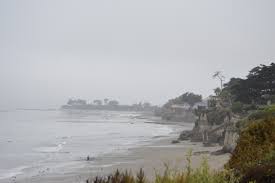
The commercial district runs along Lillie Avenue, a short strip of converted cottages and small storefronts occupied by antique dealers, design shops, cafes, and a handful of offices, with Highway 101 and the beach immediately below. The town's oil-boom origins — it was the site of some of the earliest offshore drilling piers in California — left it with a quirky parcel map of small lots, and the buildings on them are mostly wood-frame structures over a century's accumulation of modifications. Turnover is rare; many owners hold for decades, and listings often trade quietly between local parties before reaching the open market. What keeps investor interest alive despite the scarcity is the tenant base: the town draws steady weekend traffic from Santa Barbara and passing Highway 101 travelers, and Lillie Avenue's design and antique tenants have proven durable through retail cycles that emptied larger corridors elsewhere.
What a Buyer Can Actually Find
When something does come available, it usually falls into one of a few small-format categories:
- Converted cottage retail on Lillie Avenue
- Small mixed-use buildings with a storefront below and a unit above
- Residential income property held as long-term rentals
- Small office or studio buildings serving design and trade tenants
Old Frames, Bluff Edges, and Insurance
Structures here deserve an assembly-level inspection rather than a cosmetic one: wood-frame buildings that began as cottages have often been re-roofed, re-wired, and re-plumbed in stages, and the quality of each stage varies. Bluff-top and bluff-adjacent parcels carry coastal erosion exposure that both insurers and lenders now underwrite explicitly, and any exterior modification near the bluff line runs through Coastal Commission jurisdiction, which extends timelines for even modest work. Septic-to-sewer conversion history should also be confirmed parcel by parcel, since it affects both value and permitting, and the town's oil-era past occasionally surfaces in title work as old mineral-rights reservations or abandoned-well disclosures that a buyer's counsel should resolve before the identification deadline forces a decision.
Identification Built for Scarcity
Because a Summerland candidate can disappear to a private buyer mid-escrow, the three-property rule works best here with the local target named first and two backups in Carpinteria or Santa Barbara carrying independent value support. Waiting to see whether the Summerland deal holds before lining up alternates is the most common way exchanges tied to this town run out of identification time.
When the Building Shows Up Before the Sale Does
Scarcity inverts the usual exchange sequence here. In most markets the investor sells first and then hunts; in this town the rare Lillie Avenue listing often appears while the investor's relinquished property is still months from market. The forward exchange cannot help with that timing, but a reverse exchange can: an exchange accommodation titleholder acquires and holds the Summerland building while the investor completes the relinquished sale, after which the parked property is transferred to finish the exchange. The structure costs more in fees and requires its own financing arrangement, since conventional lenders need to underwrite a borrower who is technically the accommodation entity.
The reverse route also carries its own deadlines — the relinquished property must be identified within 45 days of the parking arrangement and the whole structure unwound within 180 — so it is a tool for a genuinely rare building, not a convenience. For a one-of-a-kind cottage-retail asset that will not appear again for a decade, the added cost is usually easy to justify; the investor's tax advisor and intermediary can price the structure against the risk of simply losing the building.
Keeping the Exchange on Rails
The qualified intermediary holds the sale proceeds and papers the identification and assignments; evaluating a century-old wood-frame building and its coastal exposure is the investor's and broker's work, and the tax consequences of any boot or debt shortfall belong with the investor's tax advisor. For owners who want coastal-market exposure without betting the exchange on a single scarce building, a partial Delaware Statutory Trust allocation is a common release valve.
Common 1031 Exchange Questions
How often does commercial property actually come available in Summerland?
Rarely. Lillie Avenue holds a small number of buildings and ownership tenures are long, so investors should treat any live candidate as uncertain and name backups elsewhere in the county.
Does Coastal Commission jurisdiction affect small renovation plans here?
Yes. Parcels near the bluff and shoreline fall under coastal permitting, which can extend timelines for exterior work well beyond what a comparable inland renovation would need.
What structural issues are most common in Summerland buildings?
Staged modifications to century-old wood frames: mixed-era wiring, plumbing, and roofing layers. An assembly-level inspection catches what a walkthrough misses.
Is bluff erosion a lender concern for property in this town?
Increasingly so. Lenders and insurers underwrite bluff-adjacent exposure explicitly, and setback distance from the bluff edge can affect both coverage pricing and loan terms.
What is the safest identification structure when targeting a Summerland building?
Name it as the first of three properties with two independently underwritten backups nearby, so the exchange survives if the local deal trades privately or stalls.