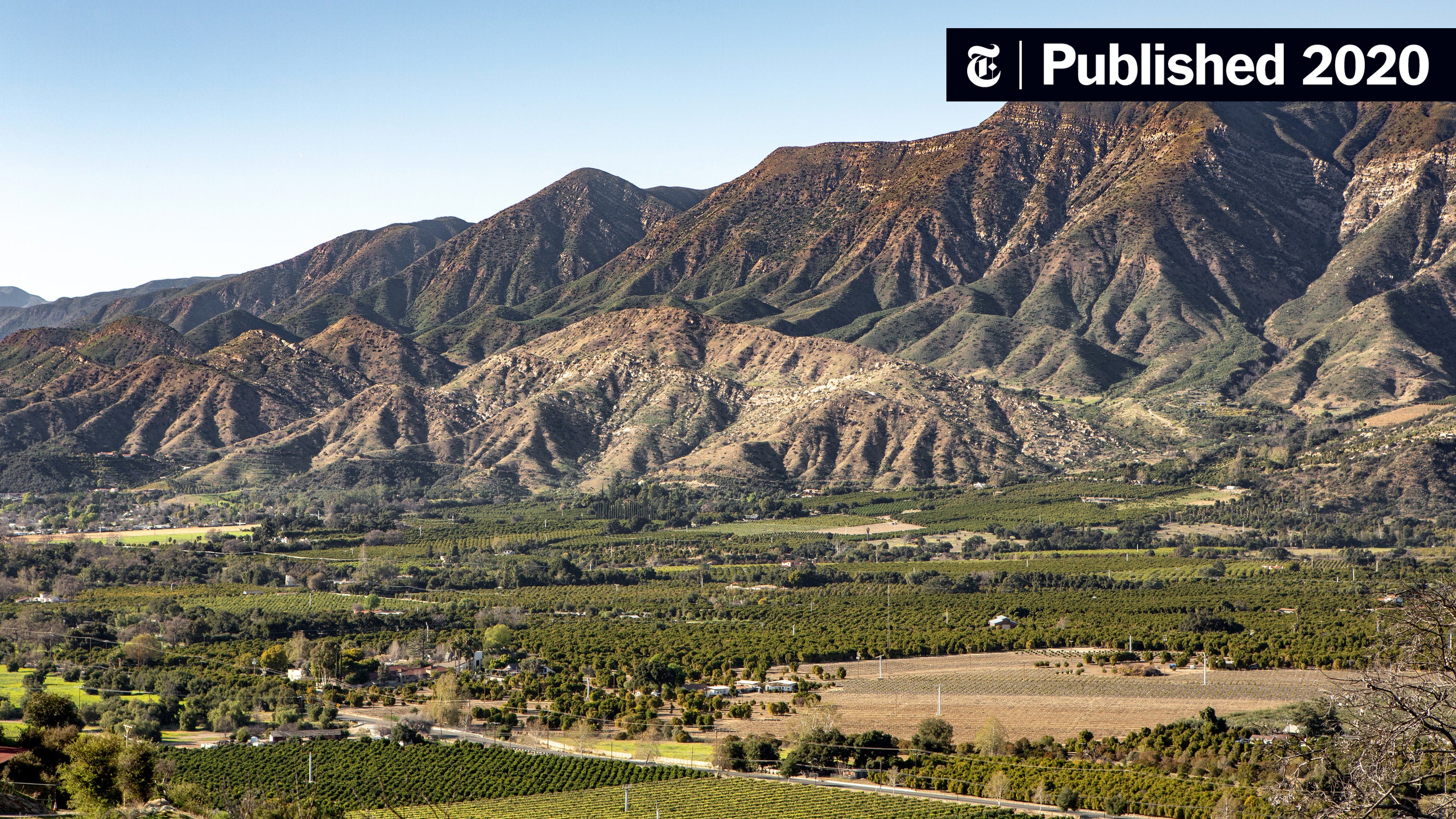
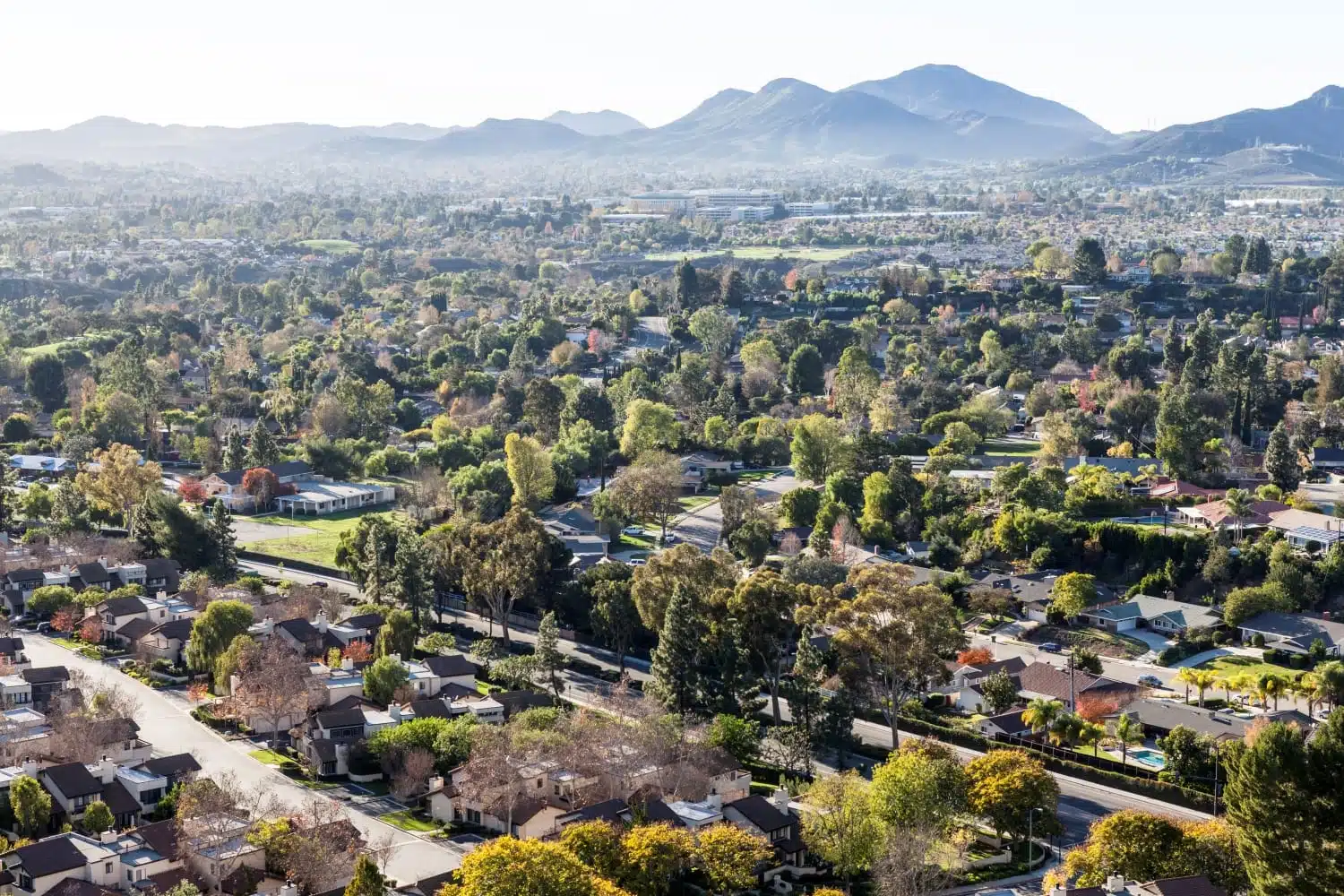
Guadalupe sits at the northern edge of Santa Barbara County, a small agricultural town rooted in row-crop farming and packing operations rather than tourism or technology. Its investment stock is modest in scale but distinct in type, and most exchangers researching Guadalupe are comparing it against larger North County alternatives in Santa Maria or Orcutt rather than treating it as a standalone destination. Proximity to the Guadalupe-Nipomo Dunes preserve also shapes some parcels at the town's western edge, where conservation easements or coastal-adjacent restrictions can limit development potential independent of the property's agricultural zoning. Investors weighing Guadalupe against a coastal South Coast alternative should recognize the tradeoff plainly: lower entry cost and genuine agricultural income potential against a much smaller resale market and fewer comparable sales to support a future valuation.
Packing, Cold Storage, and Agricultural-Support Buildings
Guadalupe's commercial base runs on the strawberry and vegetable row-crop economy that surrounds it: packing sheds, refrigerated cold-storage buildings, and agricultural labor housing built mostly from metal-frame and tilt-up concrete construction with high clear heights and dock-high loading. Much of this stock was purpose-built for seasonal harvest cycles, which means occupancy and rent rolls can show more seasonal variation than a conventional industrial building elsewhere in the county. A handful of these buildings have been reinforced or expanded over time to accommodate larger cold-storage volumes, and an exchanger should confirm which upgrades were permitted versus which were completed informally, since unpermitted refrigeration or electrical work can complicate both insurance and future resale.
Small Commercial and Residential Income Stock
Downtown Guadalupe, centered on Guadalupe Street and Main Street, carries a small inventory of single-story retail and service buildings, most under 3,000 square feet, alongside modest residential rental stock serving agricultural workers and long-term residents. This is a thin market by transaction count, and an exchanger should expect a longer marketing period if a Guadalupe property needs to be resold later. Residential rental stock here tends to be older single-family and small multi-unit buildings rather than purpose-built apartments, so rent levels track local agricultural wages more closely than they track broader county rent trends.
Access and Diligence Points
Highway 1 is Guadalupe's connection to Santa Maria and the coast, with Obispo Street and Guadalupe Street carrying local commercial traffic. Before identifying a Guadalupe property, confirm:
- Agricultural zoning overlay and any restrictions on non-agricultural use conversion
- Water rights and irrigation district allocation for ag-support buildings
- Environmental history tied to the area's legacy oil-field operations
- Actual dock and clear-height specifications versus what's listed in marketing materials
- Tenant lease length for packing or cold-storage operators, since single-tenant exposure is common here
Guadalupe Compared to Larger North County Markets
Because Guadalupe's inventory is thin, most exchangers pair it with Santa Maria or Orcutt on a three-property identification list to ensure at least one candidate has a deeper buyer pool if the primary Guadalupe property's sale slows. Lompoc and Buellton offer a similar North County profile with somewhat more diversified tenant bases, and are common secondary comparisons for investors who want agricultural exposure without single-tenant concentration. An exchanger who values Guadalupe's lower entry cost relative to Santa Maria should weigh that advantage against the added time it may take to resell the property later, since the same thin buyer pool that keeps pricing modest also limits how quickly a future sale can close.
Preparing the Guadalupe File
Given the seasonal nature of much of Guadalupe's tenant base, the exchange file should include at least a full harvest-cycle of trailing rent roll data alongside standard title and environmental documentation, and that record should reach the qualified intermediary and the investor's tax advisor well ahead of the 45-day identification deadline, since a thin resale market leaves little room to renegotiate terms late in the process. Lender comfort with agricultural-support collateral also varies more here than in a conventional industrial submarket, so it is worth confirming financing terms with more than one lender before the identification letter is finalized.
Common 1031 Exchange Questions
Does agricultural zoning limit what a Guadalupe property can be used for after a 1031 exchange?
It can restrict conversion to non-agricultural use without a rezoning or use permit, which is a land-use question separate from the exchange itself. That review should happen before identification, since it affects the property's practical value to the investor.
How thin is the Guadalupe market compared to Santa Maria?
Guadalupe has meaningfully fewer transactions and a smaller buyer pool, which is why most identification lists pair a Guadalupe candidate with a larger North County alternative rather than relying on Guadalupe alone.
What happens if a Guadalupe packing facility's single tenant vacates before closing?
That's a business risk the investor and lender need to underwrite separately from the exchange timeline; the 1031 identification itself isn't affected as long as the property description remains accurate, but financing terms could change.
Can a Guadalupe agricultural building replace a relinquished retail property in a different city?
Yes, like-kind treatment applies broadly across real property types, so agricultural or packing real estate in Guadalupe can replace retail, multifamily, or industrial property held for investment elsewhere in the exchanger's portfolio.
Should you verify water rights before identifying a Guadalupe property?
Yes. Water allocation for agricultural-support buildings in this part of the county can be tied to irrigation district rights rather than municipal service, and that should be confirmed early since it affects both operations and future financing.