Ventura is the market coastal Santa Barbara County sellers reach for when they want to stay near the ocean but need more inventory and better yields than their home submarket offers. The city trades at a discount to the coast twenty miles north while keeping much of the same tenant demand, which is exactly the arbitrage many exchange investors are trying to capture.
Downtown, Midtown, and the Harbor
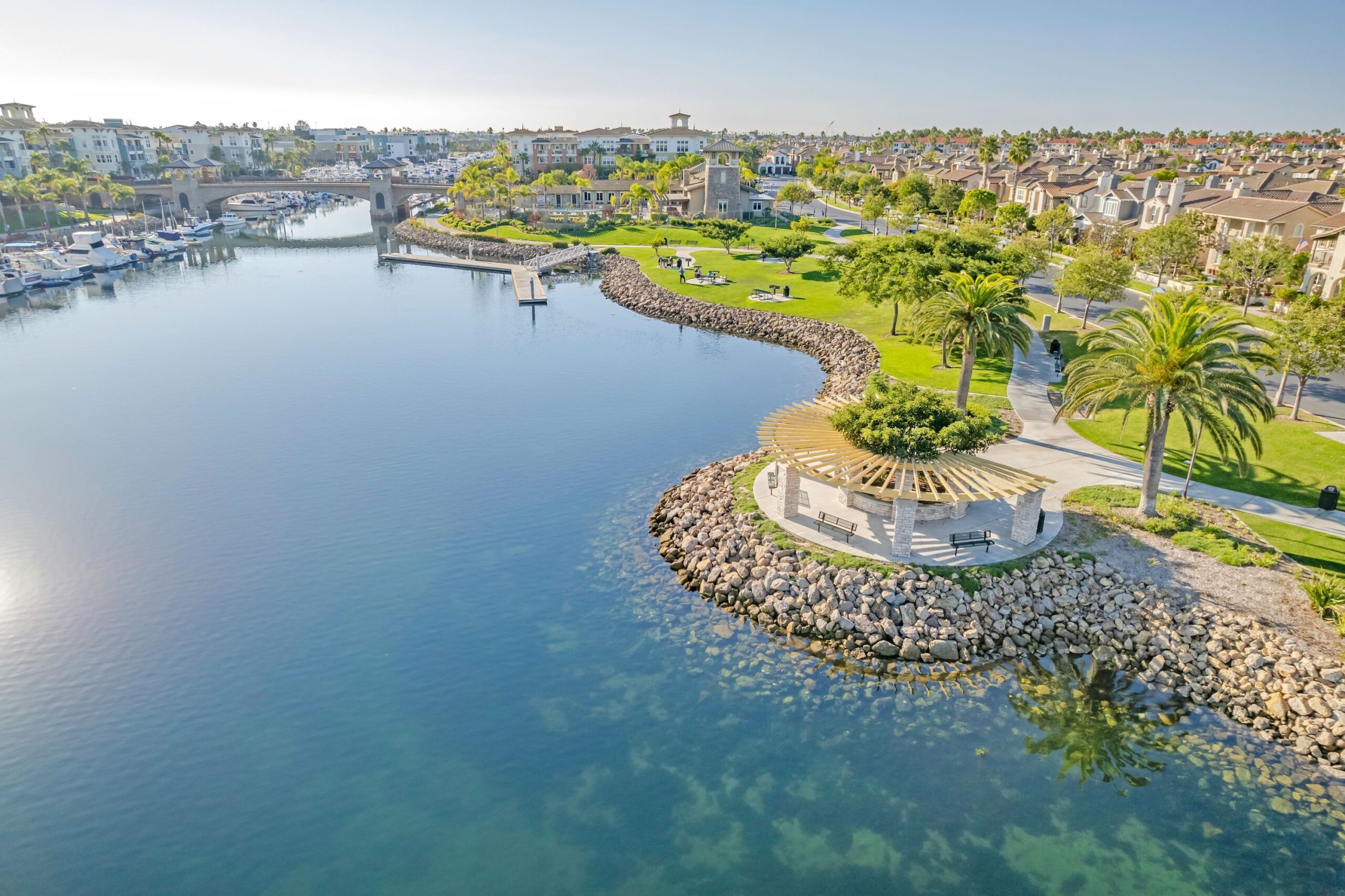
Downtown Ventura's Main Street runs from the San Buenaventura Mission through a dense stretch of restaurants, bars, thrift stores, and boutiques in buildings that date from the early twentieth century, and the district's post-Thomas Fire recovery brought a wave of new food-and-beverage tenants. Midtown, along Thompson Boulevard and Main east of downtown, holds most of the smaller multifamily stock. Ventura Harbor carries marine-commercial, restaurant, and charter-operation space, while the Victoria Avenue corridor near the county government center anchors office demand. Industrial users concentrate near the Ventura Freeway and the oil-field service yards on the city's east side. The city's rent-stabilization ordinance for older multifamily buildings is a recent underwriting variable coastal buyers should not overlook, since it caps annual increases on much of the midtown apartment stock and changes how value-add strategies pencil.
The Working Replacement Categories
Identification lists that include Ventura usually draw from:
- Main Street retail and restaurant buildings downtown
- Midtown apartment buildings in the ten-to-forty-unit range
- Marine-commercial and restaurant space at Ventura Harbor
- Office near the Victoria Avenue government cluster
- Freeway-adjacent industrial and yard space on the east side
Building Vintage and What It Demands
Downtown's early-1900s masonry and wood-frame stock carries the same retrofit questions as any pre-code California downtown: unreinforced-masonry status, roof-to-wall connections, and staged electrical upgrades should all be documented rather than assumed. Midtown apartment buildings are mostly mid-century, where soft-story parking configurations and original galvanized plumbing are the recurring capital items. Harbor buildings add marine-environment corrosion and ground-lease structures — much of the harbor sits on Ventura Port District land, and lease term remaining drives value there more than the building itself. East-side industrial parcels with oil-field service history warrant a Phase I environmental review before any offer goes firm.
Identification Math Between Two Counties
Ventura often serves as the volume side of a three-property-rule list: one scarce candidate in the home submarket plus two Ventura properties with real closing probability. Investors using the 200 percent rule can assemble several midtown or harbor assets within the value cap, but each needs independent underwriting — shared assumptions across candidates is how backup properties fail exactly when they are needed.
Matching the Asset to the Owner's Management Bandwidth
The yield spread between Ventura submarkets is partly a management-intensity spread, and exchange buyers moving up from a single small property sometimes underestimate what they are signing up for. A twenty-unit midtown apartment building produces its return through turnover management, maintenance response, and rent-control compliance work; a harbor restaurant building ties its income to an operator whose business health needs monitoring; a stabilized net-leased downtown building asks almost nothing month to month but pays accordingly. None of these is better in the abstract — the question is which workload the investor can actually carry after closing.
This matters to the exchange itself because a mismatched purchase tends to get sold again within a few years, restarting the tax problem the exchange was meant to defer. An honest self-assessment at the identification stage — hours available, appetite for tenant contact, willingness to hire third-party management and accept the fee drag — filters the candidate list more usefully than another quarter-point of cap rate. Investors who want the Ventura yield without the Ventura workload can split the exchange, pairing a managed local asset with a passive DST allocation.
Getting From Identification to Closing
The qualified intermediary's role — holding proceeds, papering the identification, assigning contracts — does not change across the county line, and neither do the 45-day and 180-day deadlines. What deserves early attention is financing: ground-lease harbor assets and older downtown retail buildings both narrow the lender pool, so a loan preflight before the identification letter is signed keeps the 180-day period from being spent hunting for debt. Boot and debt-replacement consequences belong with the investor's tax advisor.
Common 1031 Exchange Questions
Why does Ventura appear on so many Santa Barbara County identification lists?
It offers deeper inventory and higher going-in yields than the coastal submarkets to the north while staying within easy management distance, making it a natural volume backup or primary target.
How do Ventura Harbor ground leases affect replacement property value?
Much of the harbor sits on Port District land, so remaining lease term often matters more than building condition; short remaining terms narrow both the buyer pool and the lender pool.
What are the recurring capital items in midtown apartment buildings?
Soft-story parking configurations and original galvanized plumbing in mid-century buildings; both are well understood by local contractors but should be priced into the offer, not discovered after closing.
Does downtown's older masonry stock create financing problems?
It can. Unreinforced or partially retrofitted masonry buildings narrow the lender pool, so retrofit documentation should be gathered before the property is named on an identification list.
Should a lender preflight happen before or after identification?
Before. Confirming that a lender will actually finance the specific building type — ground lease, older masonry, mixed-use — protects the 180-day period from being consumed by a failed loan application.