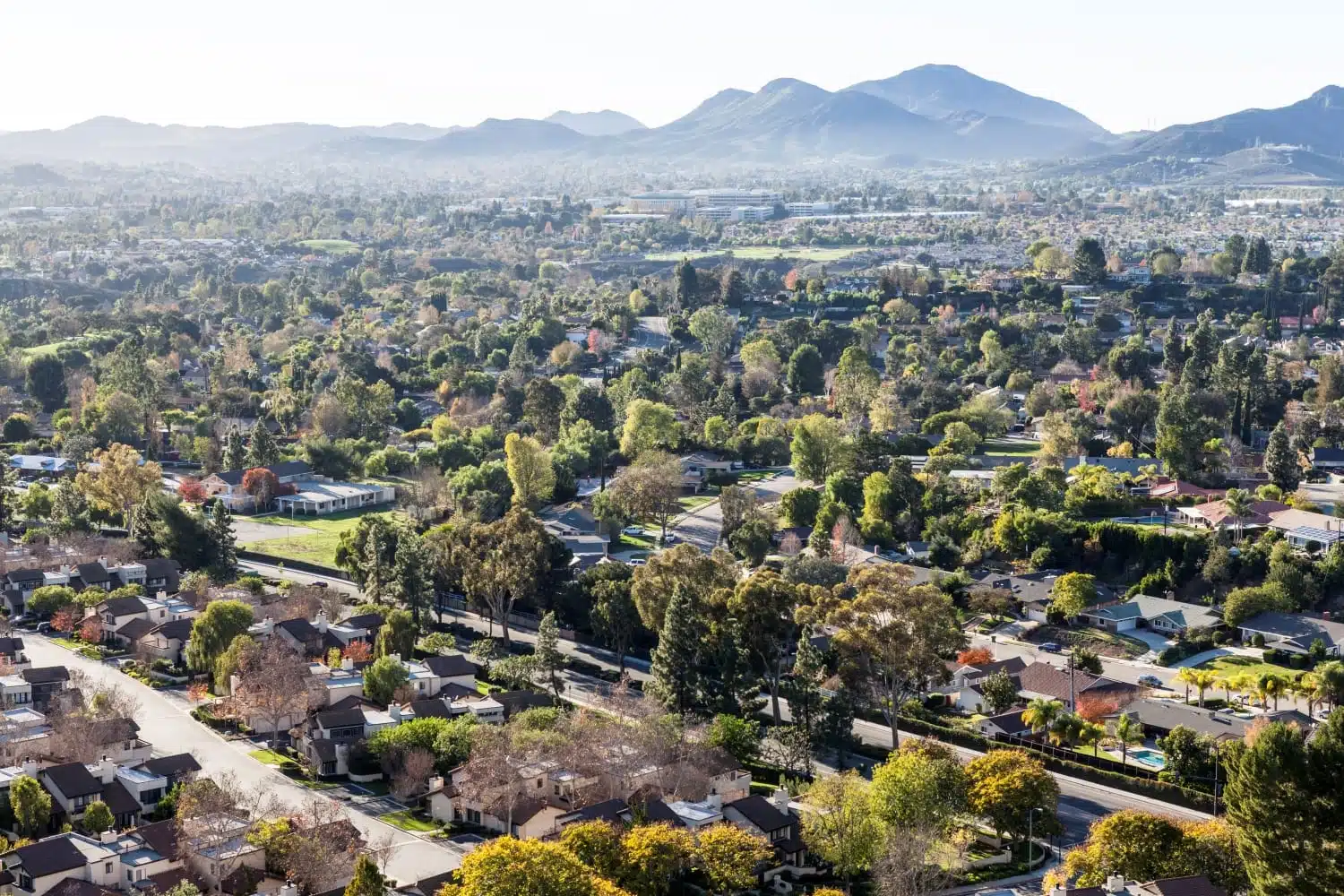
Oxnard is the largest city in Ventura County and one of the few places in this chunk of the coast where a 1031 exchange investor can actually find scale. Agriculture, a working port, and a naval base give the local economy more depth than the smaller Santa Barbara County submarkets, which shows up directly in the range of replacement property available.
A Local Economy Built on Ag, the Port, and the Base
Strawberry and vegetable growers still move a large share of California's fresh produce through cold-storage and packing buildings along the Highway 1 and Highway 101 corridors, and that agricultural processing base is the reason Oxnard has more refrigerated and heavy-power industrial stock than its neighbors. Port Hueneme, immediately adjacent, keeps goods movement flowing through the area, and Naval Base Ventura County is a stable federal employment anchor that supports service retail and multifamily demand well outside the base fence line. Channel Islands Harbor adds a smaller marine-commercial and hospitality layer on the coast.
Replacement Property Categories
An Oxnard identification list usually draws from a wider set of asset types than the smaller submarkets nearby:
- Cold-storage and ag-processing industrial buildings
- Distribution and logistics space near Rice Avenue and the 101
- Value-add retail along the older Oxnard Boulevard corridor
- Newer retail and office product in the RiverPark district
- Garden-style multifamily and self-storage facilities
Specification-Level Diligence
Cold-storage buildings need their refrigeration plant, insulation envelope, and electrical service treated as a specification review, not a line item — compressor age, ammonia versus glycol systems, and roof penetrations around condenser units all affect both insurance and resale. Older Oxnard Boulevard retail can carry legacy ag-related environmental exposure that warrants a Phase I before any purchase agreement goes firm, and tilt-up industrial buildings built for a single distribution tenant should be checked for dock-door count and clear height against current logistics tenant standards rather than the standards in place when the building was built. Seismic retrofit status matters across all of these categories given the region's fault exposure, and flood-zone mapping deserves a check on any parcel near the Santa Clara River outfall or the low-lying coastal plain, since flood insurance requirements flow straight into the operating budget a lender will underwrite.
Identification Strategy at Scale
Because Oxnard offers more standalone inventory than Ventura County or Santa Barbara County submarkets typically provide, it often functions as the anchor candidate on a 45-day identification list rather than a backup slot, with smaller Carpinteria or Santa Maria properties named alongside it under the three-property rule to preserve optionality. When several Oxnard buildings are named together to satisfy the 200 percent test, each one still needs independent value, financing, and closing-timeline support rather than shared assumptions.
Debt Replacement and the 180-Day Clock
Exchanging up into a larger Oxnard asset usually means carrying more debt than the relinquished property did, and the loan process is where the 180-day exchange period gets consumed. Cold-storage and specialized ag-industrial buildings take longer to appraise because comparable sales are scattered across the Central Coast, and lenders often want equipment appraisals for the refrigeration plant on top of the real estate appraisal. Starting the loan application before the identification letter is even signed — a lender preflight on the specific building type — is the single most effective protection against running out of exchange period.
Debt replacement also drives the boot analysis. If the new loan on the Oxnard building is smaller relative to value than the debt retired on the relinquished sale, the difference can be treated as mortgage boot unless offset with additional cash, and that math should be confirmed with the investor's tax advisor while there is still time to restructure the financing rather than after closing.
Running the Exchange to Closing
The qualified intermediary controls exchange funds and prepares the identification notice and closing assignments; it does not underwrite the replacement property or advise on tax exposure. Boot calculation, debt-replacement requirements, and depreciation recapture belong with the investor's tax advisor, particularly when the relinquished property was smaller and lower-leverage than an Oxnard candidate. Investors who want the scale benefit without direct ownership responsibilities sometimes pair a physical Oxnard purchase with a Delaware Statutory Trust position to round out the exchange.
Common 1031 Exchange Questions
Does Oxnard's agricultural history create environmental risk for industrial replacement property?
It can, particularly for older buildings near legacy packing or chemical-storage sites. A Phase I environmental assessment should be standard diligence before closing on ag-adjacent industrial property here.
How does the naval base affect retail and multifamily underwriting in Oxnard?
Naval Base Ventura County supports steady service retail and rental demand nearby, which lenders generally treat as a stabilizing factor rather than a growth driver.
Is financing different for RiverPark retail than for older Oxnard Boulevard buildings?
Yes. RiverPark's newer, better-parked centers underwrite more easily with conventional and conduit lenders, while older Oxnard Boulevard buildings often need a regional lender comfortable with older tenant mix and deferred maintenance.
Can one Oxnard property satisfy an entire identification list?
It can under the three-property rule, but most investors still name a second or third candidate elsewhere in the county to protect against financing or title delays on the primary Oxnard asset.
Should a larger Oxnard purchase change how boot is calculated?
The mechanics stay the same, but a bigger, more leveraged Oxnard replacement changes the debt-replacement math versus a smaller relinquished property, so a tax advisor should confirm the numbers before the identification is finalized.