Los Olivos is the smallest and most specialized market in the Santa Ynez Valley, a wine-country village centered on tasting rooms and boutique retail rather than any conventional commercial base. Exchangers targeting Los Olivos are usually after a specific hospitality-adjacent property type, not general-purpose replacement inventory, and should plan the search accordingly rather than expecting the range of asset classes available in a larger valley town.
Tasting Rooms and Boutique Retail Buildings
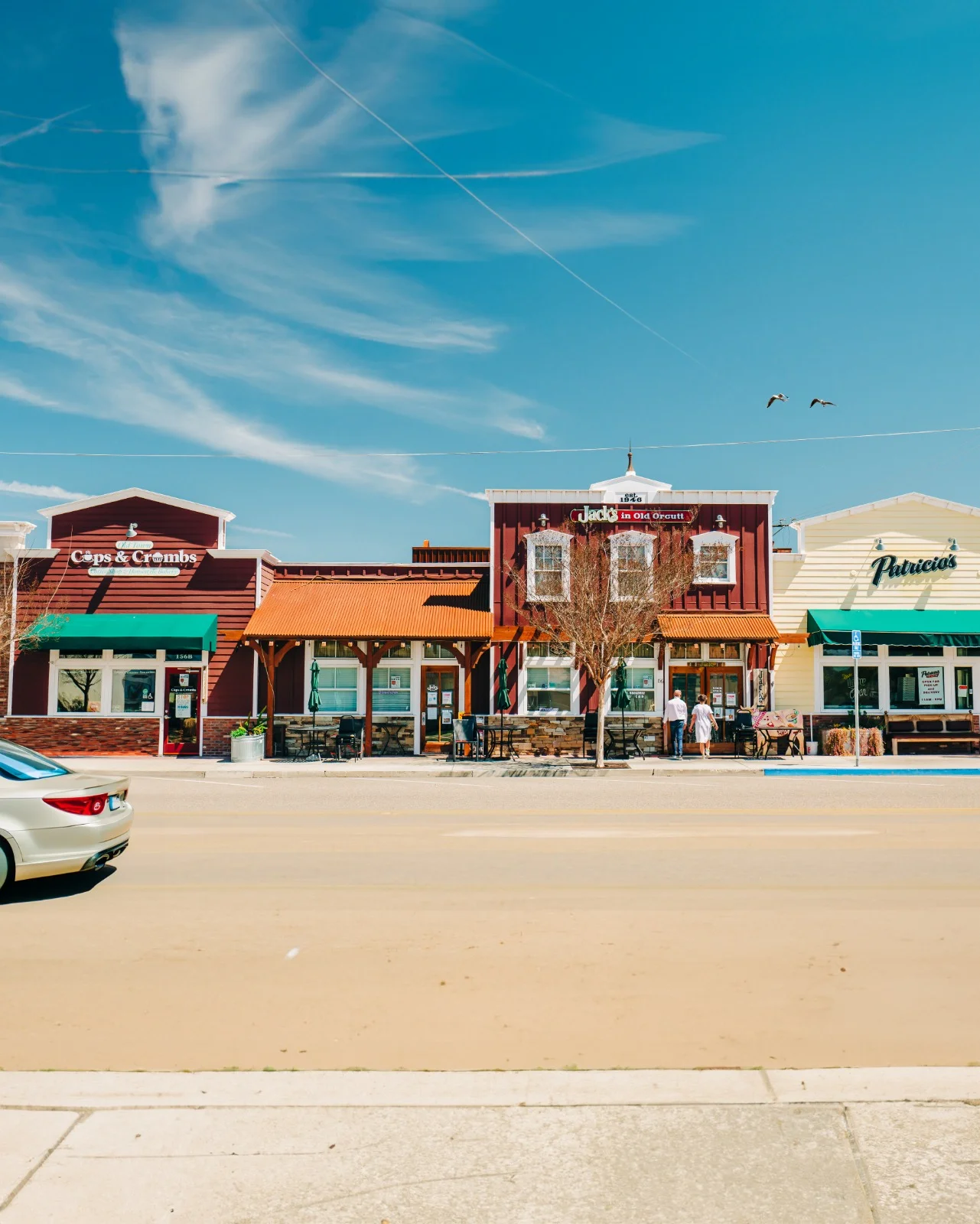
Grand Avenue carries nearly all of Los Olivos' commercial stock: single-story wood-frame and masonry buildings from the early 20th century, most under 2,500 square feet, converted over time from general retail into wine tasting rooms, galleries, and specialty shops. These buildings typically require alcohol-service permitting and parking arrangements specific to hospitality use, which should be confirmed as active and transferable before a purchase closes. Many of these storefronts share a common architectural scale from the village's original commercial buildout, which limits how much a given space can be reconfigured for a new tenant without triggering a broader permitting review.
Ranch and Land-Holding Alternatives
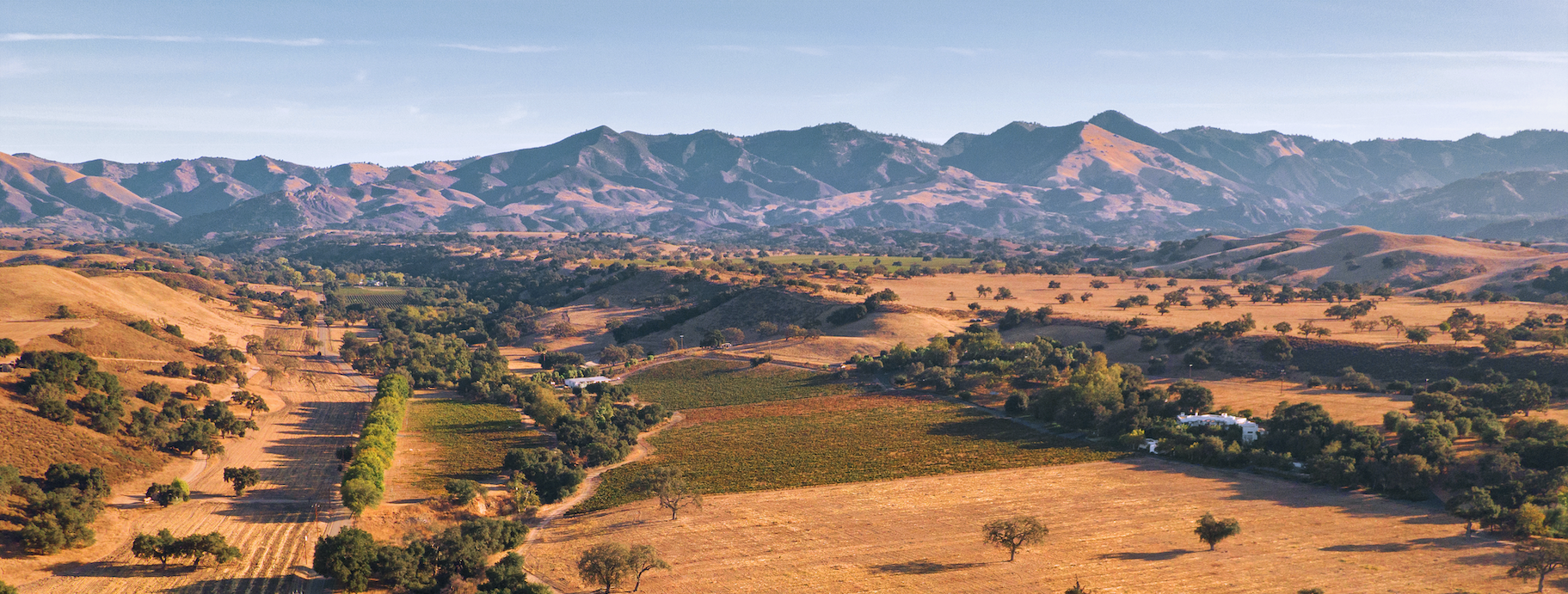
Outside the village core, Los Olivos transitions quickly into ranch and agricultural land, including vineyard parcels and larger acreage holdings with limited structural improvements. These properties function differently than the tasting-room stock in town, trading on land value and agricultural use rather than retail rent, and typically require a longer marketing period given the smaller pool of qualified buyers for large acreage. Vineyard parcels in particular often carry existing farming or grape-purchase agreements that transfer with the land, and those contracts should be reviewed alongside the title report since they can affect both income and future planting flexibility.
Corridors and What to Confirm
Grand Avenue and Alamo Pintado Avenue form the village core, with Foxen Canyon Road connecting to surrounding vineyard and ranch land. Before identifying a Los Olivos property, confirm:
- Whether alcohol-service and tasting-room permits are held by the tenant or tied to the real property itself
- Parking adequacy under current zoning for hospitality-adjacent retail use
- Water source and septic capacity, since municipal sewer service doesn't reach all of the village
- Actual acreage and water rights for any ranch or vineyard land identified as replacement property
- Comparable sales depth, given how few transactions close in this village each year
Los Olivos Against Larger Valley Alternatives
Given its limited inventory, Los Olivos candidates are almost always paired with a larger valley alternative on an identification list, most commonly Santa Ynez, Solvang, or Buellton, so a slow or thin Los Olivos transaction doesn't leave the exchanger without a viable backup inside the 45-day window. Investors seeking pure hospitality exposure sometimes also compare Los Olivos against a regional NNN or DST allocation instead of sourcing a second village property directly. That comparison is worth running early, since a passive structure can often be identified and closed faster than a second thinly traded village property, which matters when the exchange clock is already running.
Documentation for a Los Olivos Purchase
A Los Olivos file should include current permit status for any tasting-room or alcohol-service use, well and septic capacity records where applicable, and a realistic comparable-sales summary given the market's thin transaction history, and that documentation should reach the qualified intermediary and the investor's tax advisor early enough to accommodate a longer-than-typical closing timeline. Given how small this market is, it also helps to document the specific search radius considered, since a written record of why Los Olivos was chosen over a larger valley alternative can matter later if the identification is ever reviewed. That record should note the specific tasting-room or ranch comparables reviewed, since Los Olivos rarely has more than a few active listings at any given time and the reasoning behind a choice can otherwise be hard to reconstruct later.
Common 1031 Exchange Questions
Can a Los Olivos tasting room replace a relinquished retail property in another city?
Yes, like-kind treatment for real property applies regardless of the specific retail use, so a Los Olivos tasting-room building can serve as replacement property for a relinquished retail, office, or multifamily asset.
Is Los Olivos vineyard land treated the same as commercial real estate for exchange purposes?
Vineyard and ranch land held for investment or business use generally qualifies as like-kind real property, though the investor's tax advisor should confirm how any agricultural income or personal property is treated separately.
Why should you identify a backup property outside Los Olivos?
The village has very few transactions in a given year, so if the primary Los Olivos candidate's sale slows or falls through, having a Santa Ynez or Solvang alternative already identified protects the exchange under the 45-day and 180-day deadlines.
Do alcohol-service permits transfer automatically with a Los Olivos property sale?
Not always, and this should be confirmed directly with the local licensing authority before closing, since a permit tied to a specific operator rather than the real property could affect the buyer's ability to continue tasting-room use.
What water and septic issues are common in Los Olivos?
Much of the village relies on private wells and septic systems rather than municipal service, so capacity and condition should be verified early, particularly for any property being repositioned for higher-intensity hospitality use. A current well-yield report and septic inspection are both worth requesting before the identification letter is finalized.