Mobile home park investing gets pitched in real estate circles as an unusually favorable structure, and the reasoning holds up better than most investment fads: in a typical park, the owner controls the land and infrastructure while most residents own their own homes and simply pay lot rent. That split changes the economics in ways that don't show up in a normal apartment deal.
The Land-and-Home Split Drives Everything
When residents own their homes, the park owner's capital exposure is largely limited to land, roads, utility infrastructure, and shared amenities rather than every housing unit on the property. That lowers the owner's replacement cost per space compared to owning equivalent apartment units outright, and it shifts turnover cost to the resident, since a resident moving out generally sells or moves their home rather than leaving the owner to re-lease and re-furnish a unit.
Some parks do own a portion of the homes themselves, usually older units acquired from residents who couldn't sell or wanted to leave, and those units function more like a conventional rental within the park's overall structure.
Where the Real Risk Sits
Infrastructure age is the underwriting item that matters most and gets checked least by buyers focused on lot rent income. Water and sewer systems in older parks, particularly those built before municipal utility hookups became standard, can require capital investment that dwarfs a few years of net operating income if a system fails. A buyer should get utility infrastructure inspected specifically, not folded into a general property condition report, before closing.
Road condition and electrical service to each pad are worth the same scrutiny. A park that's deferred asphalt work for a decade or is still running an older, lower-amperage electrical service to homes that have grown larger and more power-hungry over time is carrying a capital obligation that a simple drive-through inspection won't reveal.
Regulatory and Zoning Exposure
Mobile home parks operate under specific state and local regulations around rent increases and resident notice requirements that go beyond general landlord-tenant law, and California has some of the more protective rules in the country for park residents. Local zoning is also a factor, since a park sitting on land zoned for higher-value use carries redevelopment potential that changes its investment thesis entirely, from an income play to essentially a land banking position.
Local Availability
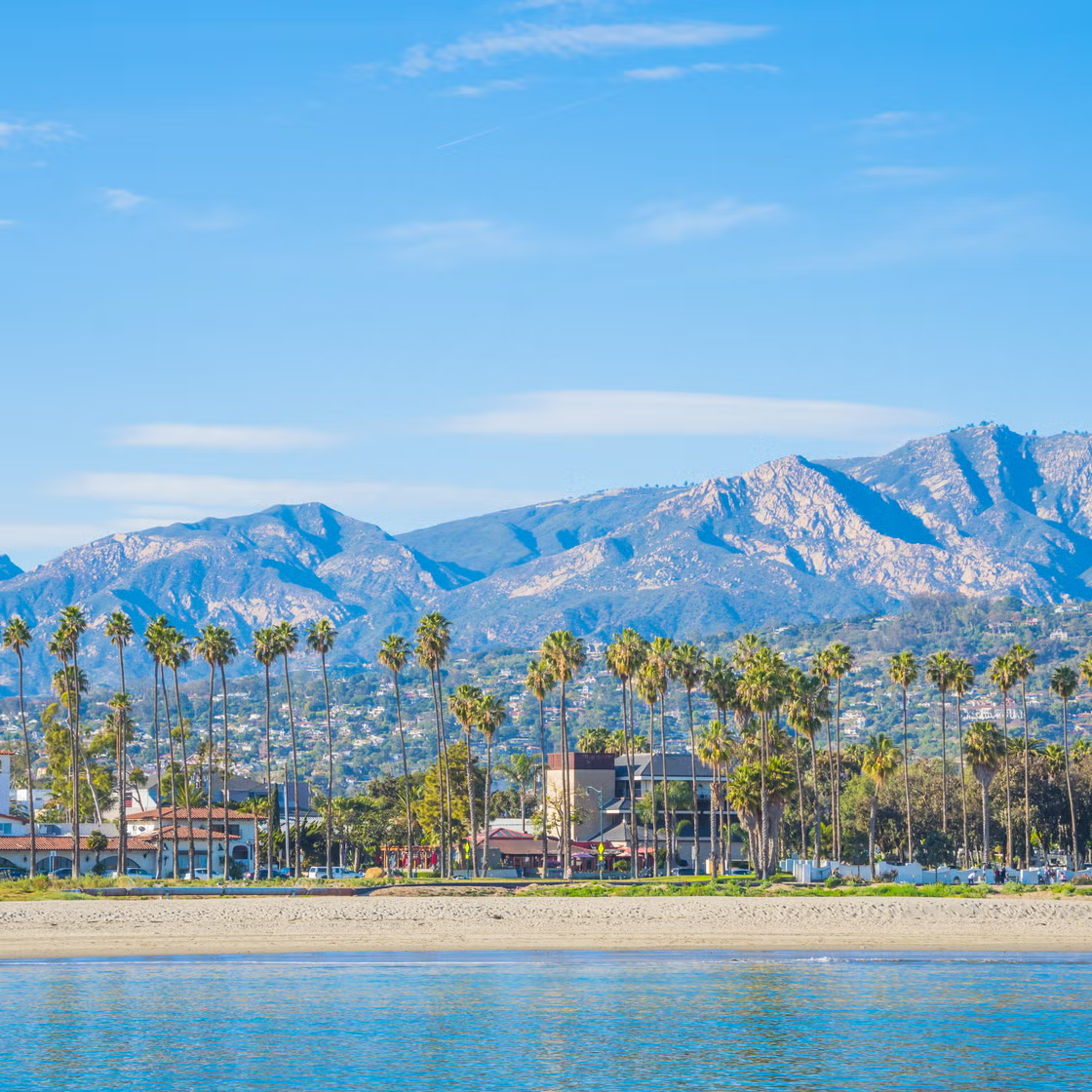
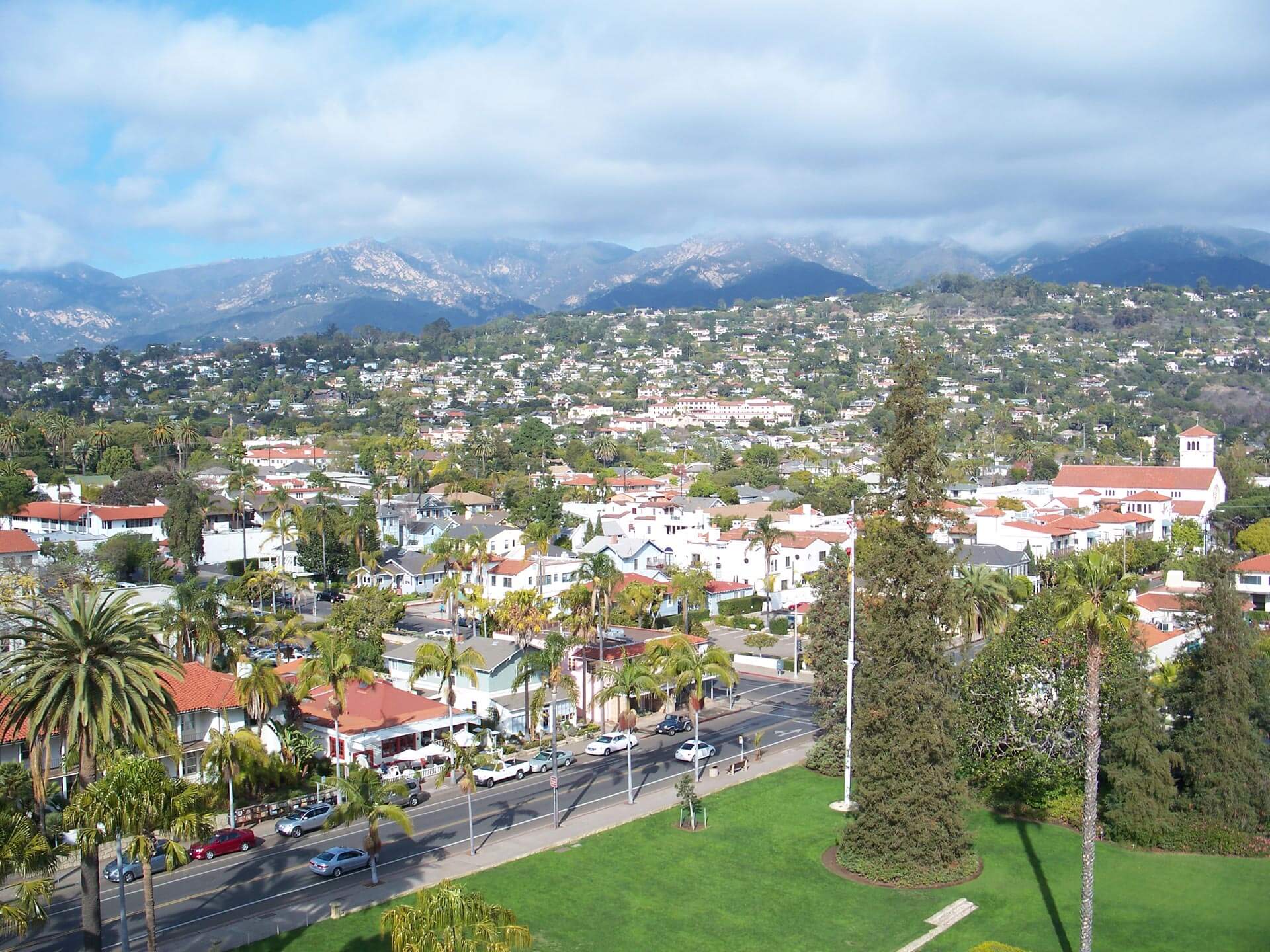
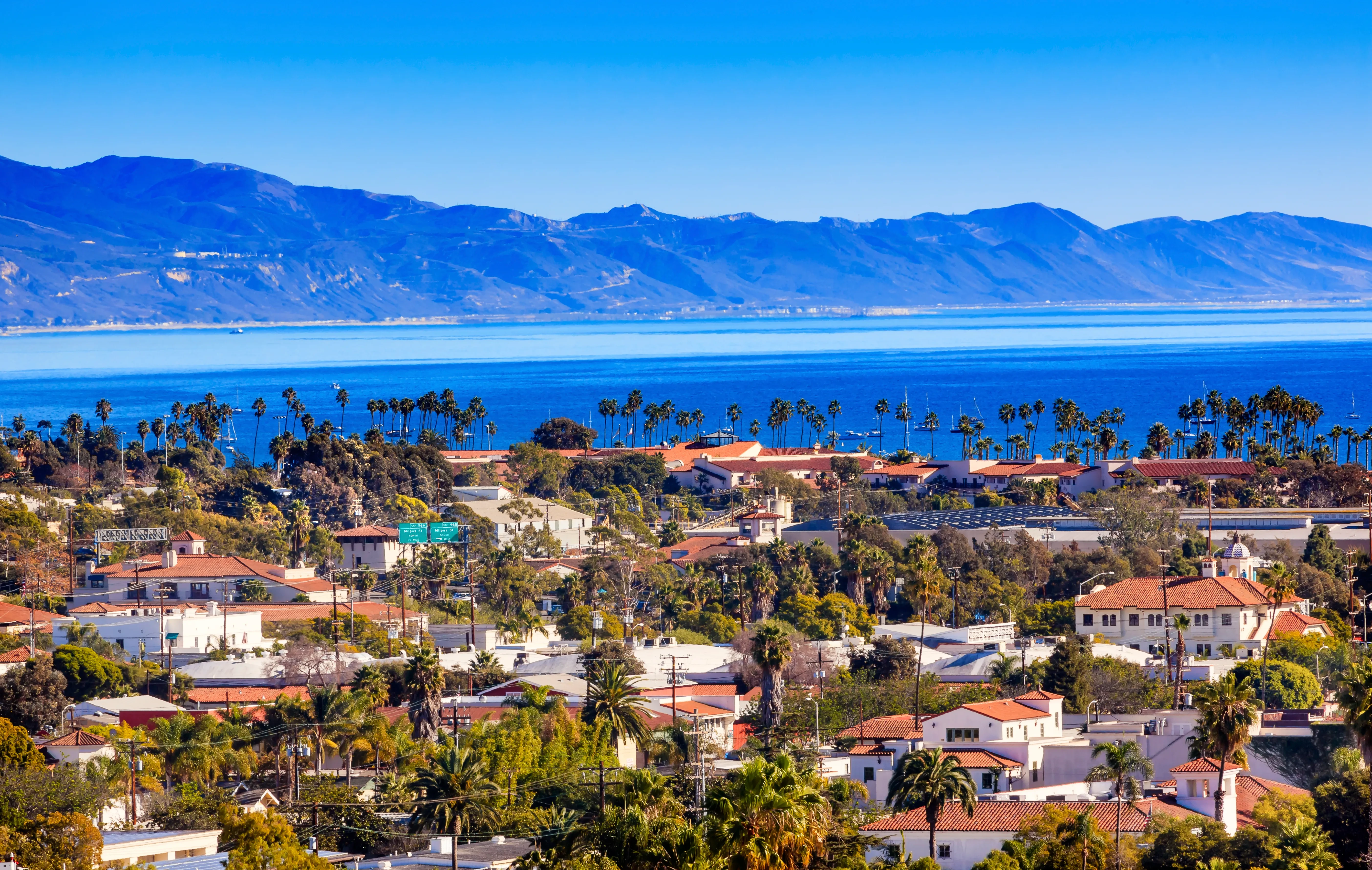
Mobile home parks near the Santa Barbara coast are scarce, held by long-term owners, and rarely trade, given how valuable the underlying land would be for other uses. Inventory is more available inland, in the Santa Maria Valley and around Lompoc, where land values support the park's continued operation as a park rather than pressure toward redevelopment.
Fitting a Park Into a 1031 Exchange
A mobile home park qualifies as like-kind replacement property in a 1031 exchange the same as any other investment real estate, and an owner exchanging out of a management-heavy property sometimes finds the reduced physical capital exposure attractive. The trade-off is a due diligence process that leans harder on infrastructure inspection and regulatory review than a typical apartment or retail exchange would, which can be tight to complete inside a standard exchange timeline if it starts late.
Asset Type Questions
Do mobile home park owners own the homes too?
Usually not most of them. In a typical park, residents own their own homes and pay lot rent for the land, while the owner controls land, roads, and utility infrastructure. Some parks own a portion of the homes, usually acquired from departing residents, which function more like conventional rentals.
What's the biggest risk in mobile home park investing that buyers overlook?
Aging water and sewer infrastructure, particularly in older parks. A failing utility system can require capital investment far beyond several years of net operating income, so infrastructure should be inspected specifically rather than assumed adequate from a general property condition report.
Are mobile home parks subject to special regulations in California?
Yes, beyond general landlord-tenant law, California has specific rules around rent increases and resident notice for mobile home parks. These protections should be reviewed alongside any local ordinances before underwriting projected rent growth.
Can a mobile home park be purchased with 1031 exchange proceeds?
Yes, a mobile home park is like-kind investment real estate and qualifies as replacement property. Due diligence around infrastructure and regulatory compliance should start early, since it can take longer than a typical apartment or retail exchange to complete properly.
Are mobile home parks available for sale near Santa Barbara?
Rarely along the coast, where land values and long-term ownership make trades uncommon. Inventory is more available inland, particularly in the Santa Maria Valley and around Lompoc.