Once an identification list runs past three properties, the 200 percent rule becomes the governing constraint: the combined fair market value of every property named can't exceed twice the value of what was sold. It functions less like a guideline and more like a fixed design limit, and a list that clears it on day one can quietly exceed it by day forty-five if pricing on any candidate moves.
Aggregate Value as a Fixed Capacity Limit
The rule doesn't care how many properties are on the list or how the value is distributed across them; it only measures the sum. That makes the calculation simple in concept but unforgiving in practice, because every candidate's value has to be pinned to a defensible number, usually an offering price, a recent appraisal, or a signed letter of intent, and re-checked any time a number changes. A list built once and never revisited is the most common way this rule gets violated without anyone noticing until the identification period has already closed.
Why Santa Barbara Lists Tend to Diversify
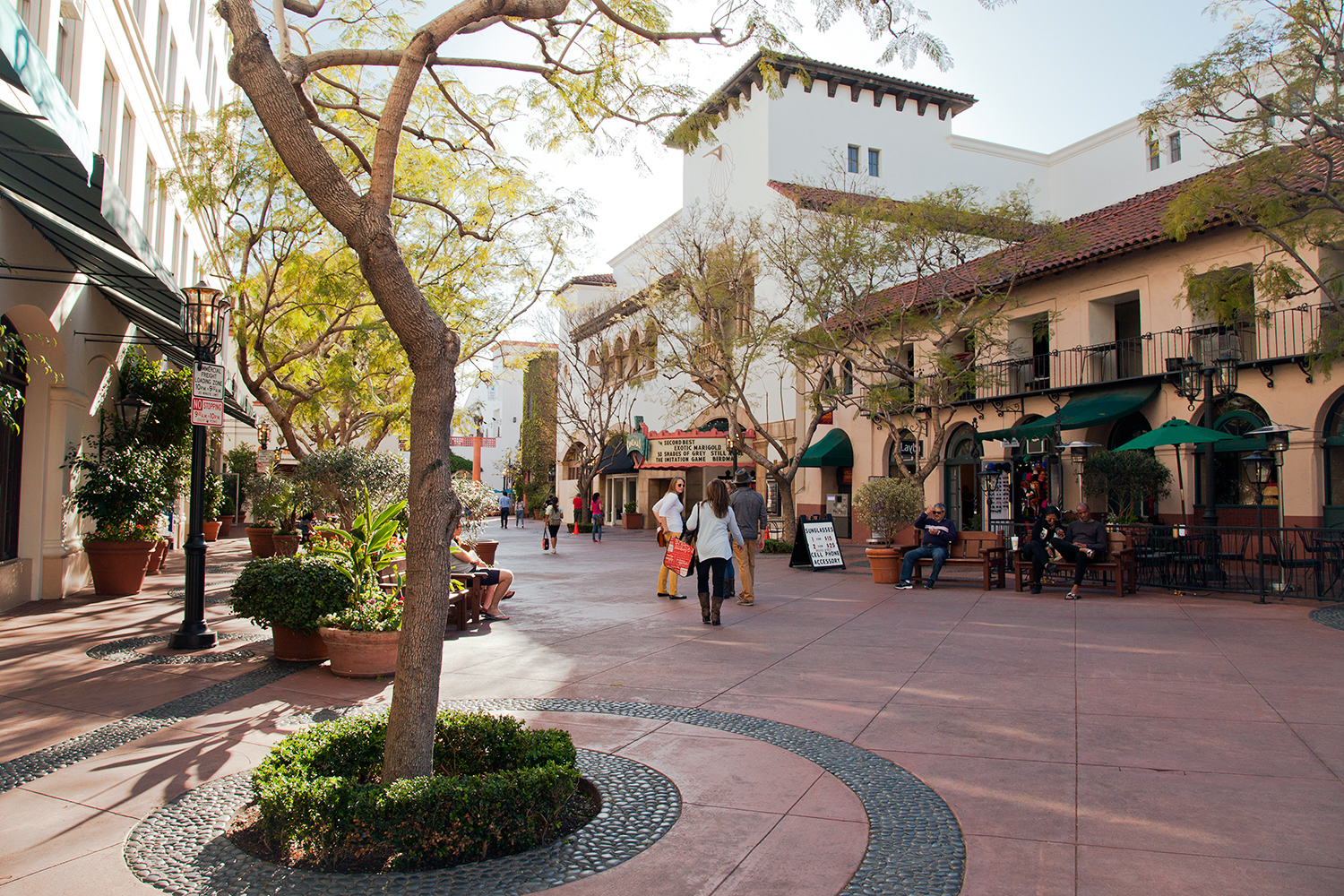
An exchanger selling a single appreciated coastal asset, a State Street storefront or a Funk Zone building, often can't find one replacement of comparable size in the same submarket and instead spreads the exchange across several smaller acquisitions: a Goleta flex building, a wine-country land parcel near Santa Ynez, and a fractional DST allocation to fill the remainder. That spread is exactly the situation the 200 percent rule is built for, but it also means the list is drawing from three unrelated asset classes with three different pricing behaviors, which makes the aggregate harder to hold steady through the identification window.
Assembling a List That Holds Its Value
A defensible 200 percent list assigns a source and a date to every value used, not a rough estimate carried in someone's head. The working file should track:
- the relinquished property's sale value used as the baseline
- a supported fair market value for each identified candidate
- the date each value was last confirmed
- any pending price change, counter, or appraisal update
- the running aggregate total against the 200 percent ceiling
- fractional or DST allocation sizing where interests are split
Recalculating this total every time a candidate's price moves, rather than only at the moment of filing, is what keeps a diversified list inside its limit through closing.
Where the Aggregate Calculation Breaks Down
The most frequent failure isn't a miscalculation at filing, it's a stale value: a candidate re-priced upward after a counteroffer, or a fractional DST allocation quoted before a sponsor adjusted minimum tranche sizes. Because the rule is measured against the identification notice as filed, a value that shifts afterward doesn't retroactively fix itself, which is why the aggregate has to be treated as a living number through the full 45-day window rather than a figure calculated once and filed away.
Keeping the List Defensible Through Closing
Advisors reviewing a 200 percent list generally want to see the same evidence an appraiser would ask for: where each value came from, when it was last confirmed, and what happens to the aggregate if any single candidate falls out. Building that record alongside the list, rather than reconstructing it after the fact, is what lets an exchanger substitute a candidate late in the window without losing confidence in whether the whole list still clears the limit. That kind of record is also what an exchanger's CPA will want to see when the exchange is eventually reported, since it confirms the aggregate calculation held up from the day the notice was filed through the day the last replacement property actually closed.
Common 1031 Exchange Questions
Does the 200 percent rule apply if only three properties are identified?
No. The three-property rule and the 200 percent rule are alternatives, not additive requirements. If three or fewer properties are named, there is no value ceiling at all; the 200 percent limit only becomes relevant once a fourth property is added to the list.
What value should be used when a property's price changes after it's identified?
The most recent supported value should be used when recalculating the aggregate, and the identification notice may need to be amended if a price change pushes the total past the limit before the 45-day window closes. Waiting until after the window closes to notice the problem removes the ability to fix it.
How is a DST allocation counted toward the 200 percent aggregate?
A fractional DST interest is counted at its purchase price for the beneficial interest being acquired, not the value of the entire trust. That figure should come directly from the sponsor's subscription documents rather than an estimate.
Can a diversified list mixing land, retail, and DST interests still work under this rule?
Yes, the rule doesn't restrict asset type or count, only aggregate value. Mixed lists across submarkets are common specifically because this rule allows more flexibility than the three-property rule when suitable single replacements aren't available.
What happens if the aggregate value quietly exceeds 200 percent before closing?
If the identification as filed exceeds the limit, the safe-harbor protection for that list can be lost entirely unless the 95 percent rule is separately satisfied. This is why the aggregate needs to be checked against current values continuously through the whole window, rather than only once at the moment identification is submitted.