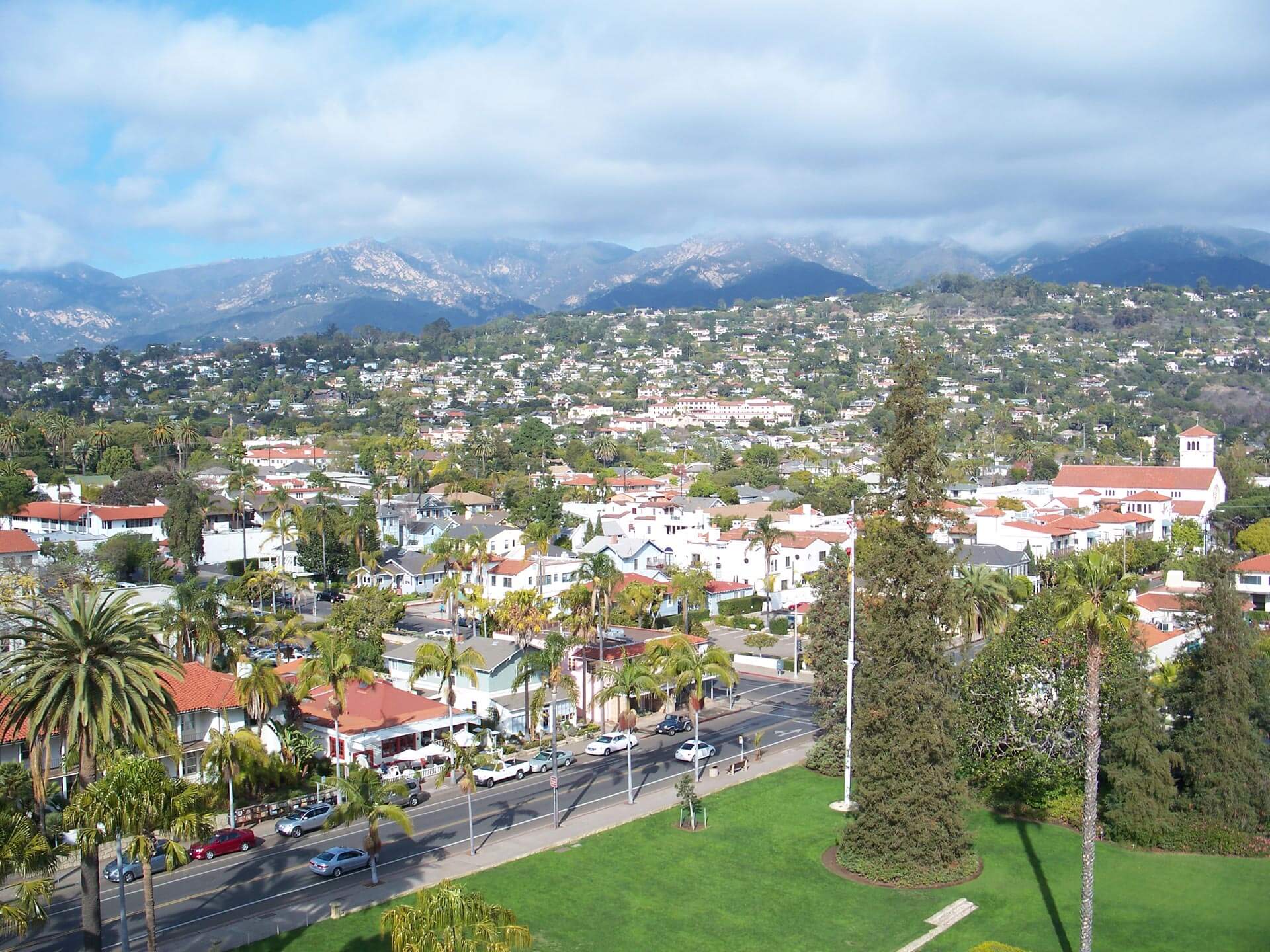
A forward exchange runs on a fixed sequence: the relinquished property sells first, a qualified intermediary holds the proceeds, and the replacement acquisition follows within the identification and closing windows. It's the baseline, as-designed order every other exchange structure gets compared against, and getting the sequence right early is what keeps the rest of the transaction from having to improvise.
The Sequence Every Forward-Exchange Deadline Follows
Every deadline in a forward exchange, the 45 days to identify and the 180 days to close, runs from the same starting point: the date the relinquished property's sale closes. That means the qualified intermediary has to be engaged and the exchange agreement signed before that closing, not after, since proceeds that pass through the exchanger's hands even briefly can trigger constructive receipt and unravel the deferral entirely. The sequence works because each step depends on the one before it happening correctly, in order, without shortcuts. Skipping ahead, for instance signing a purchase contract on a replacement property before the relinquished sale has actually closed, doesn't break the exchange outright, but it does add coordination risk that a properly sequenced timeline avoids entirely.
Where This Sequence Gets Tested in Santa Barbara
A common pattern in this market is selling an appreciated State Street or Funk Zone commercial building and moving proceeds into a Goleta flex acquisition or a wine-country parcel, often with a DST allocation held as backup. Each leg of that sequence has its own timing pressure: the relinquished sale has to close cleanly with exchange cooperation language already in the purchase contract, and the replacement search has to be well underway before that closing date arrives, since coastal inventory doesn't wait for an exchanger to start looking. A seller who has already lined up a purchase agent, a lender contact, and a shortlist of Goleta or wine-country candidates before the relinquished sale even goes to escrow is in a fundamentally stronger position than one starting that search on day one of the exchange period.
Setting Up the Sequence Before the Sale Closes
A forward exchange that runs smoothly has its foundation laid before the relinquished sale, not scrambled together after. The setup work typically includes:
- qualified intermediary engagement and signed exchange agreement
- exchange cooperation language in the relinquished sale contract
- assignment of the exchanger's rights in that contract to the QI
- replacement property scouting already underway
- lender preflight started for likely replacement candidates
- a calendar mapping the 45-day and 180-day deadlines from the expected closing date
Confirming each of these before the sale closes is what keeps day one of the exchange period from starting with unfinished setup work.
Where Forward Sequences Break Down
The most damaging failure is engaging a qualified intermediary after the relinquished sale has already closed, since proceeds that reach the exchanger directly, even temporarily, generally disqualify the exchange regardless of intent. A second common problem is a purchase contract that never mentions exchange cooperation, which can create friction with a buyer or title company later if the assignment isn't anticipated. Both failures trace back to treating the sequence as something that can be assembled after the fact rather than set up in advance.
Keeping Control of Proceeds Through the Middle of the Sequence
Once the relinquished sale closes and proceeds sit with the qualified intermediary, the exchanger's role shifts to identification and acquisition rather than proceeds management, which should stay entirely with the QI until the replacement closing. Advisors reviewing a forward exchange in progress typically confirm that the QI's escrow instructions match the identification notice, and that any unused proceeds at the end of the sequence are addressed deliberately rather than as an afterthought. A short mid-sequence check-in with the QI, once identification is filed and before the replacement closing approaches, is usually enough to confirm the escrow instructions and the notice are still aligned.
Common 1031 Exchange Questions
When does a qualified intermediary need to be engaged for a Santa Barbara forward exchange?
Before the relinquished property's sale closes, ideally with the exchange agreement signed and the purchase contract assigned to the QI ahead of closing. Engaging a QI after the sale has already closed generally disqualifies the exchange.
What happens if exchange cooperation language is missing from the sale contract?
It can create delays or resistance from a buyer or title company when the assignment to the qualified intermediary needs to happen at closing, which is why that language should be included from the first draft of the purchase agreement.
How soon should replacement property scouting start relative to the relinquished sale?
Before the sale closes whenever possible, since the 45-day identification window starts on the closing date and Santa Barbara's replacement inventory in strong submarkets often moves faster than a search that starts from scratch can keep up with.
Can a forward exchange include more than one replacement property?
Yes, the identification and closing rules allow for multiple replacement properties as long as the applicable identification rule, whether three-property, 200 percent, or 95 percent, is satisfied and each closing happens within the 180-day period.
What happens to exchange proceeds that aren't used by the end of the exchange period?
Unused proceeds are generally released to the exchanger after the exchange period ends and are typically treated as taxable boot to the extent of gain realized, which is why the replacement acquisition should be sized to use as much of the proceeds as intended from the outset.