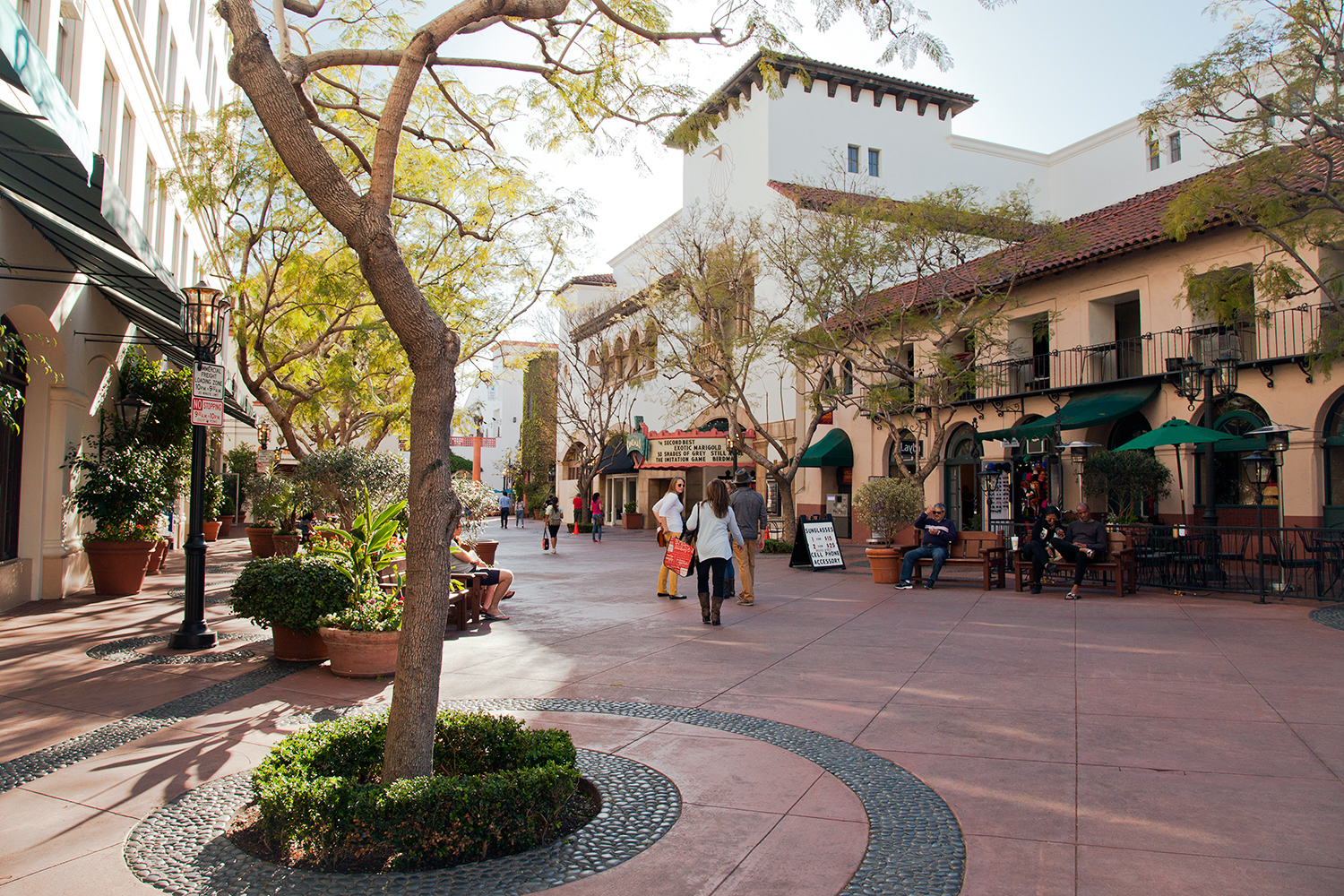
Retail replacement space in Santa Barbara ranges from a century-old storefront on State Street to an adaptive-reuse warehouse in the Funk Zone, and each carries a different set of building conditions the replacement analysis has to price separately.
Storefront Structure and Seismic Bracing
Many of the older buildings along State Street predate current seismic code and carry unreinforced masonry elements that were retrofitted at different points over the decades. Confirming what bracing exists, and when it was installed, matters more for a retail replacement than for most other asset classes, since storefront glazing sits directly against that structure and a code-required upgrade can affect the tenant's ability to keep operating during construction.
Where retrofitted bracing was added only to a portion of a building shared by multiple tenants, confirming which specific unit benefits from that work matters more than confirming the building carries a retrofit at all, since a shared address can create a false sense that every space inside received the same structural upgrade during a prior renovation cycle.
Adaptive Reuse Conditions in the Funk Zone
Warehouse buildings converted to tasting rooms, retail, and restaurant use in the Funk Zone often carry original roof systems, exposed structure, and utility infrastructure sized for a different use than what currently occupies the space. A replacement analysis should confirm what was actually permitted during conversion versus what exists physically, since gaps between the two show up more often in adaptive reuse buildings than in ground-up retail construction.
Utility metering in a converted warehouse space sometimes still reflects the original single-tenant configuration even after the building was divided into multiple retail or restaurant units, and confirming submetering accuracy avoids a dispute later over which tenant is actually responsible for a given utility bill each period.
Exposed ceiling structure and ductwork left visible as a design feature in these conversions should also be checked for insulation and fire-rating compliance, since a look that reads as intentionally industrial can sometimes mask work that was never brought up to current code during the original conversion.
ADA and Restroom Compliance
Retail space that has changed tenants multiple times sometimes carries restroom and path-of-travel conditions that were compliant at original construction but not brought current through later remodels. This matters for identification timing, since a compliance gap discovered during due diligence can require negotiation or a price adjustment that eats into the window before day 180.
Grease interceptor sizing for a restaurant tenant in an older, converted building is a related item worth checking alongside restroom compliance, since undersized interceptors in older Funk Zone buildings sometimes were adequate for a smaller original use but fall short of what a full-service restaurant tenant now requires.
- seismic bracing history for pre-code buildings
- permitted use versus actual conversion condition
- ADA path of travel and restroom compliance
- signage rights under State Street or coastal zone rules
- back-of-house loading and utility capacity
Signage and Coastal Zone Constraints
Santa Barbara's design guidelines along State Street, and Coastal Commission jurisdiction closer to the waterfront, both limit exterior changes including signage more than a typical suburban retail corridor would. A tenant relying on street visibility should have its signage rights confirmed in writing before the replacement purchase closes, not assumed from what the current storefront displays.
Awning and window signage rules in particular differ from freestanding pylon sign rules, and a Santa Barbara storefront that reads as fully signed today may still be operating under a legacy approval that would not be granted again if the tenant changed and reapplied, a detail worth confirming rather than assuming continuity.
Tenant Mix and Tourism Exposure
Santa Barbara retail leans on a mix of local daily-need tenants and tourism-driven retail and hospitality-adjacent uses, and those two tenant types carry different seasonality. A replacement analysis should weigh how much of the rent roll depends on visitor traffic, since that exposure runs differently than a neighborhood retail center that leans on daily-need tenants.
A property with a rent roll weighted toward summer and holiday visitor traffic should be underwritten against its slower months, not its peak months, since a Santa Barbara retail asset that looks strong on an annualized basis can still carry real seasonal vacancy or reduced percentage rent collection during the off months of the calendar year.
Common 1031 Exchange Questions
Why does seismic bracing history matter more for older State Street buildings?
Many predate current seismic code and were retrofitted at different times with different scopes. Confirming what bracing exists and when it was done affects both value and the risk of a future code-triggered upgrade landing on the new owner.
What should a buyer check before purchasing an adaptive reuse retail building in the Funk Zone?
Confirm what was actually permitted during the conversion from warehouse to retail or restaurant use, since original roof and utility systems sized for the prior use sometimes remain in place despite a change in permitted occupancy on paper.
Does Coastal Commission jurisdiction limit retail signage in Santa Barbara?
Only within the coastal zone, and mainly for exterior or structural changes. A tenant depending on visibility should confirm signage rights in writing rather than assuming current signage reflects what is actually approved for the site.
How should tourism exposure factor into a retail replacement decision?
Weigh how much of the rent roll depends on visitor-driven tenants versus daily-need local tenants, since the two carry different seasonal risk. This affects underwriting even when the current rent roll looks fully occupied on paper.